
Eczema
Atopic Dermatitis
Eczema (most commonly atopic dermatitis) is a chronic inflammatory skin condition that causes dry, itchy, and irritated skin. It often appears as red, scaly patches and can sometimes crack, ooze, or thicken with repeated scratching. Symptoms tend to flare periodically and may be triggered by irritants, allergens, stress, weather changes, or infections. While eczema is not contagious, it is associated with an overactive immune response and a weakened skin barrier. Treatment usually focuses on moisturizing the skin, avoiding triggers, and using anti-inflammatory medications such as topical steroids during flares.
AI Summary of Treatment Experiences
Not medical advice.
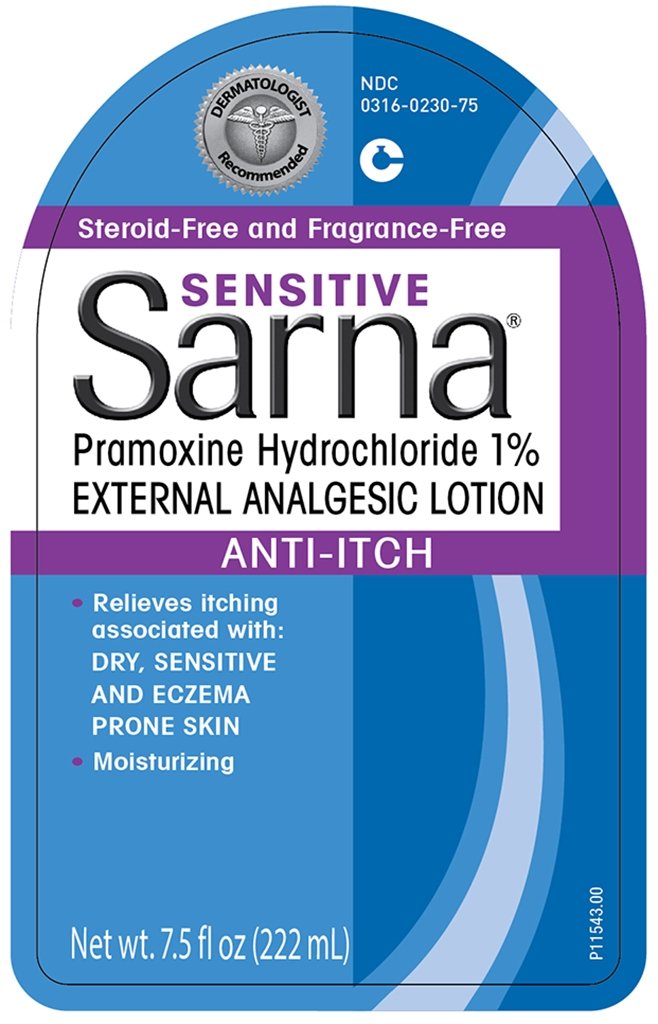
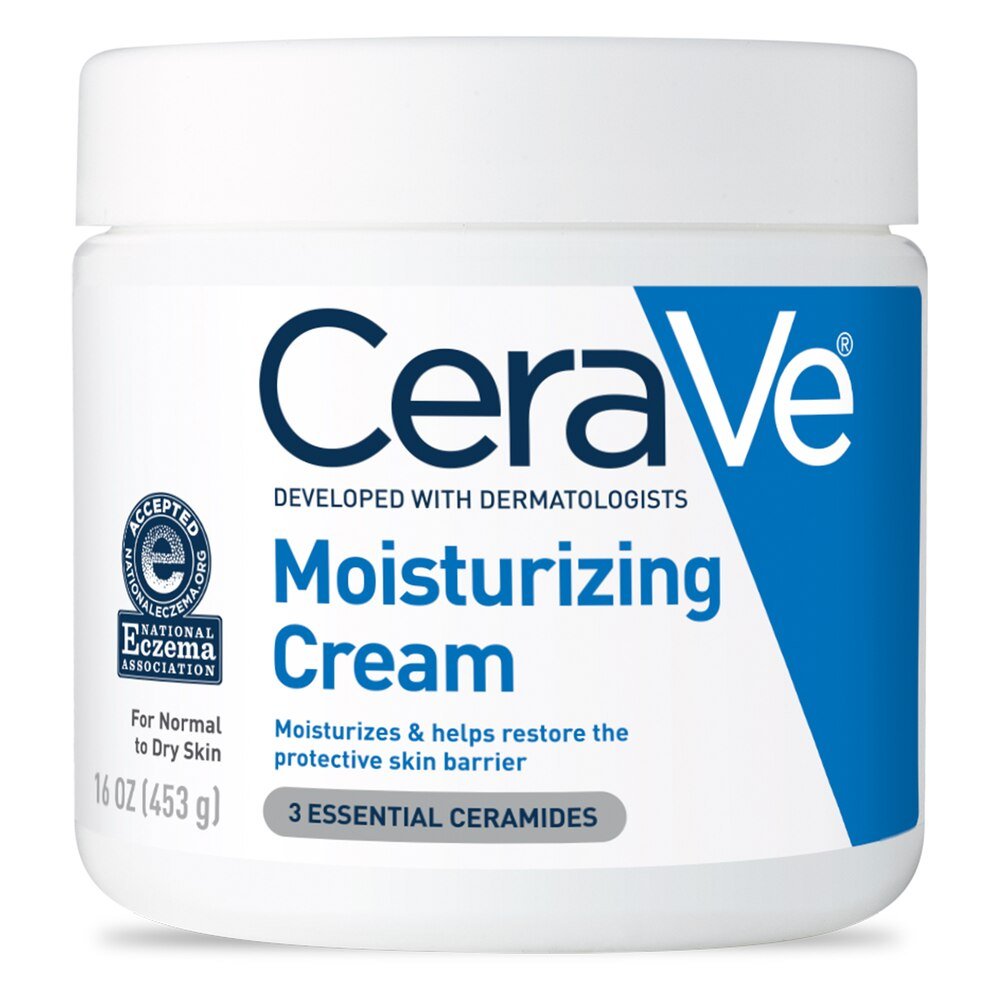
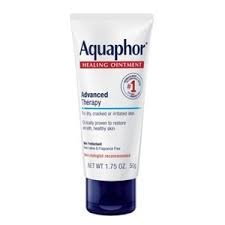
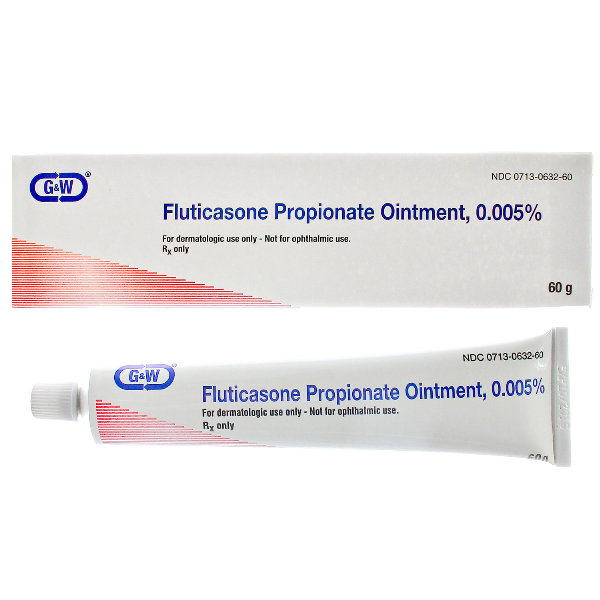
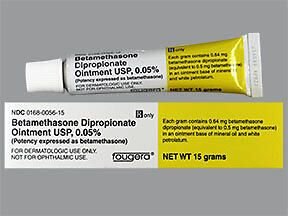
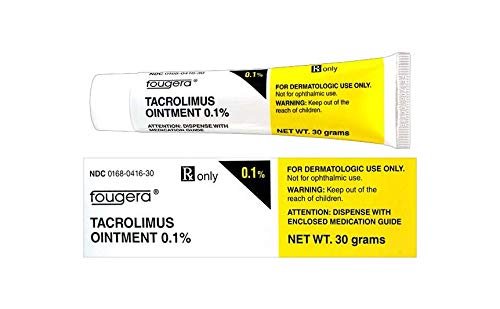
# Eczema Treatment Summary Eczema treatment spans multiple approaches: **topical steroids** (hydrocortisone, triamcinolone, fluticasone, betamethasone) form the foundation for inflammation control, with stronger options reserved for severe flares; **non-steroidal topicals** like pimecrolimus, tacrolimus, ruxolitinib, roflumilast, and tapinarof offer alternatives for sensitive areas or long-term use; **moisturizers** (Aquaphor, Vaseline, CeraVe) are essential for barrier repair; **systemic biologics** like dupilumab provide game-changing relief for moderate-to-severe cases despite cost concerns; and **adjunct therapies** (pramoxine for itch relief, lukewarm baths, antihistamines) support symptom management. Cost and insurance coverage emerge as significant practical barriers across most treatments.
Treatments Shared by the Community
Explore what patients, caregivers, and clinicians have said about these treatments.
20 Treatments for Eczema
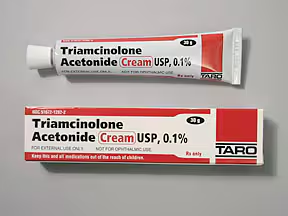
Kenalog, Kenalog‑C, Aristocort, Aristocort A, Triderm
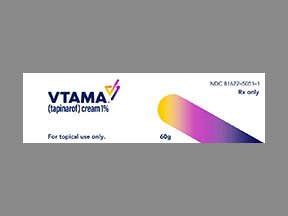
Vtama, Benvitimod
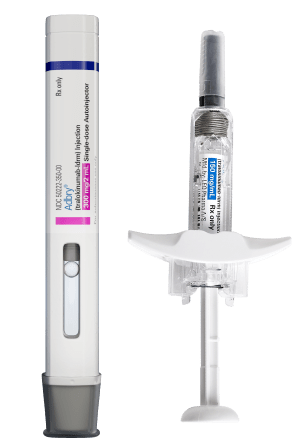
Adbry
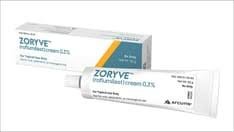
Zoryve
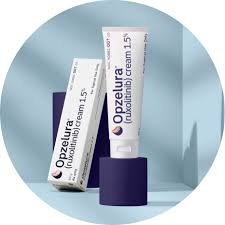
Opzelura

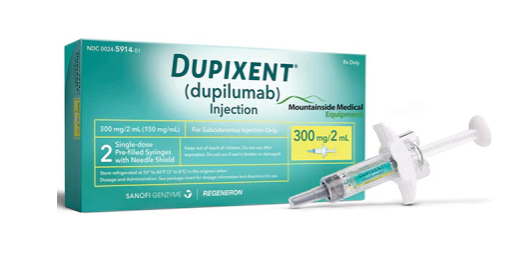
Dupixent
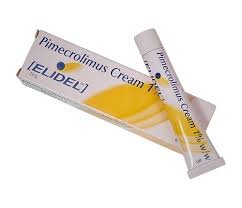
Elidel
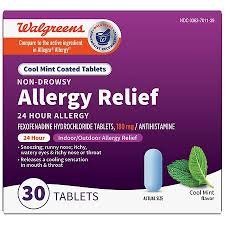
Allegra
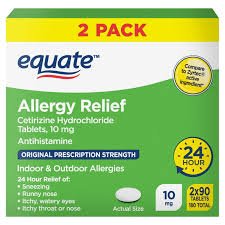
Zyrtec
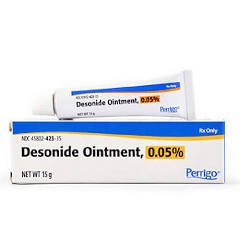
DesOwen, Tridesilon, Verdeso (foam formulation), Desonate
Explore various treatment options to empower yourself in making a well-informed choice.
Choose treatments from the menu above to see how they compare side by side.
Choose treatments from the menu above to see how they compare side by side.
Choose treatments from the menu above to see how they compare side by side.

Copyright © 2025,Curbside and related marks are registered trademarks of Curbside Tech Inc.