
Epoetin Afa
Alternative Names: Epogen, Procrit, Eprex
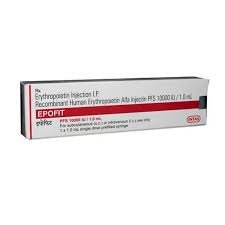
Epoetin alfa is a man-made form of erythropoietin, a hormone that stimulates the bone marrow to produce more red blood cells. It is often used to treat anemia related to chronic kidney disease, chemotherapy, or certain chronic illnesses where the body does not make enough erythropoietin. Epoetin alfa is usually given by injection under the skin or into a vein and can help reduce the need for blood transfusions. Because it may increase the risk of blood clots, high blood pressure, or stroke if hemoglobin rises too quickly, dosing is closely monitored. It treats the anemia but does not correct underlying nutrient deficiencies such as iron, B12, or folate.
Treatment Type: Prescription Medication
Treatment Class: Erythropoiesis-stimulating agent
Treatment Modality: Injection, Intravenous (IV)
Review Summary
Based on the provided review, Epoetin Afa appears to be an effective treatment for anemia, particularly in cases caused by chronic kidney disease or chemotherapy. It helps stimulate red blood cell production, potentially reducing the need for blood transfusions. However, the treatment requires careful medical supervision due to potential side effects like high blood pressure and blood clots.

This summary was generated by users' reviews
Breakdown by Category
Each categories are rated on a 1–5 scale, with 5 being the most favorable outcome and 1 being the least. These scores are averaged across all user reviews to provide a clear sense of how this treatment typically performs in each area.
 Cost
Cost Relief Speed
 Side Effects
 Treatment Line
Explore various treatment options to empower yourself in making a well-informed choice.
Choose treatments from the menu above to see how they compare side by side.
Choose treatments from the menu above to see how they compare side by side.
Choose treatments from the menu above to see how they compare side by side.
4.0
AI Summary of User Experiences
Not medical advice.
Based on the provided review, Epoetin Afa appears to be an effective treatment for anemia, particularly in cases caused by chronic kidney disease or chemotherapy. It helps stimulate red blood cell production, potentially reducing the need for blood transfusions. However, the treatment requires careful medical supervision due to potential side effects like high blood pressure and blood clots.
Cost Relief Speed Side Effect Treatment Line


Copyright © 2025,Curbside and related marks are registered trademarks of Curbside Tech Inc.
Reviews
Filter by reviewer type Pro