
Anemia
Anemia is a condition where the body does not have enough healthy red blood cells to carry adequate oxygen to the tissues. This can make a person feel tired, weak, short of breath, or lightheaded. Common causes include blood loss, iron deficiency, vitamin deficiencies, chronic diseases, or bone marrow disorders. Diagnosis is usually made with blood tests that measure hemoglobin, hematocrit, and red blood cell indices. Treatment depends on the cause and may involve iron or vitamin supplements, medications, or in severe cases, blood transfusions.
AI Summary of Treatment Experiences
Not medical advice.
# Anemia Treatment Summary Anemia treatment varies by underlying cause. **Nutritional deficiencies** are addressed with Iron Supplements (for iron deficiency), Vitamin B12, and Folic Acid—all highly rated for correcting specific deficits and improving symptoms. **Erythropoietin stimulators** like Epoetin Alfa and Darbepoetin Alfa are used for anemia from chronic kidney disease or chemotherapy, with Darbepoetin offering the advantage of less frequent dosing. **Blood transfusions** provide rapid relief for severe, urgent cases but serve as a short-term intervention rather than a long-term solution. Overall, treatment selection depends on identifying the anemia's cause.
Treatments Shared by the Community
Explore what patients, caregivers, and clinicians have said about these treatments.
6 Treatments for Anemia
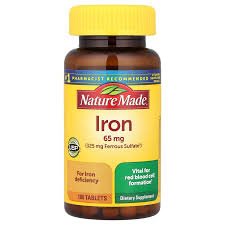
Feosol, Feratab, Slow Fe, Ferrex, Niferex, ProFe
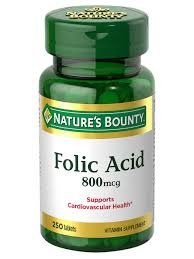
Folvite, FA-8
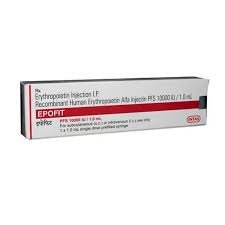
Epogen, Procrit, Eprex
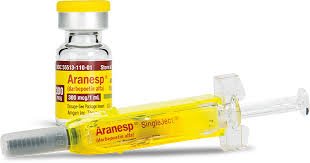
Aranesp

Explore various treatment options to empower yourself in making a well-informed choice.
Choose treatments from the menu above to see how they compare side by side.
Choose treatments from the menu above to see how they compare side by side.
Choose treatments from the menu above to see how they compare side by side.

Copyright © 2025,Curbside and related marks are registered trademarks of Curbside Tech Inc.