
Foraminal Stenosis
Foraminal stenosis is a condition where the openings in the spine, called foramina, that allow nerves to exit become narrowed. This narrowing is often caused by age-related changes such as disc bulges, arthritis, or bone spurs. As the space tightens, it can compress the spinal nerve roots, leading to pain, tingling, numbness, or weakness along the path of the affected nerve. It can feel similar to sciatica because both involve irritation or compression of spinal nerves, but foraminal stenosis may cause slightly different symptoms depending on which nerve and spinal level are affected. Symptoms are often worse with standing, walking, or certain spine positions and may improve with sitting or bending forward. The condition most commonly affects the neck or lower back. Treatment focuses on relieving nerve irritation and pressure through physical therapy, medications, and sometimes injections or surgery.
AI Summary of Treatment Experiences
Not medical advice.
Foraminal stenosis is a condition where the openings in the spine, called foramina, that allow nerves to exit become narrowed. This narrowing is often caused by age-related changes such as disc bulges, arthritis, or bone spurs. As the space tightens, it can compress the spinal nerve roots, leading to pain, tingling, numbness, or weakness along the path of the affected…

Treatments Shared by the Community
Explore what patients, caregivers, and clinicians have said about these treatments.
4 Treatments for Foraminal Stenosis
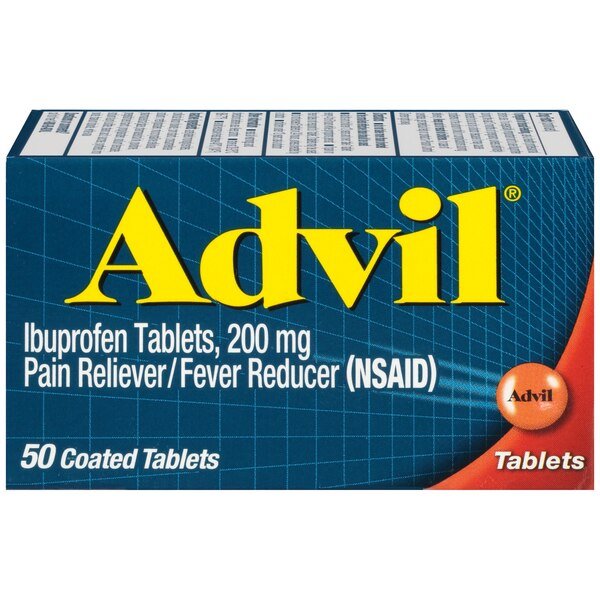
Motrin, Advil

laminectomy, laminotomy, foraminotomy, or partial facetectomy
Explore various treatment options to empower yourself in making a well-informed choice.
Choose treatments from the menu above to see how they compare side by side.
Choose treatments from the menu above to see how they compare side by side.
Choose treatments from the menu above to see how they compare side by side.

Copyright © 2025,Curbside and related marks are registered trademarks of Curbside Tech Inc.