
Constipation
Constipation is a condition characterized by infrequent, difficult, or painful bowel movements. Medically, it is defined as having fewer than three bowel movements per week. The stool may be hard, dry, and challenging to pass, and in some cases, constipation can cause abdominal pain, bloating, and discomfort.
Common contributing factors include a low-fiber diet, dehydration, lack of physical activity, certain medications (e.g., opioids, antidepressants), and stress.
AI Summary of Treatment Experiences
Not medical advice.
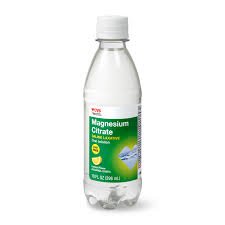
# Constipation Treatment Summary The constipation treatment landscape includes a range of options from basic lifestyle measures to stronger medications. **First-line approaches** include increasing dietary fiber and hydration, which work gently by adding bulk to stool and softening it naturally. **Stool softeners like docusate** provide mild relief and are useful for prevention, while **psyllium supplements** offer a gentle, bulk-forming option suitable for regular use. **For moderate constipation**, lactulose and magnesium citrate provide faster relief (6-24 hours and 30 minutes-6 hours respectively) by drawing water into the intestines. **For severe cases**, polyethylene glycol 3350 is a powerful backup option, and saline enemas can provide quick relief for stool trapped in the lower rectum, though both can be uncomfortable.

Treatments Shared by the Community
Explore what patients, caregivers, and clinicians have said about these treatments.
9 Treatments for Constipation

Colace

GoLytely
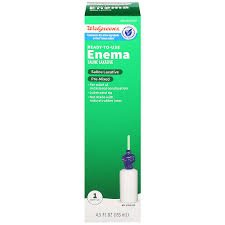
Fleets enema
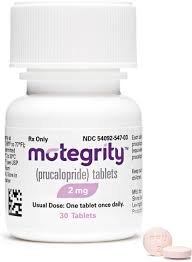
Motegrity
Explore various treatment options to empower yourself in making a well-informed choice.
Choose treatments from the menu above to see how they compare side by side.
Choose treatments from the menu above to see how they compare side by side.
Choose treatments from the menu above to see how they compare side by side.

Copyright © 2025,Curbside and related marks are registered trademarks of Curbside Tech Inc.