
Insomnia
Insomnia is a common sleep condition characterized by difficulty falling asleep, staying asleep, or waking up too early. It can lead to daytime fatigue, poor concentration, and irritability. Insomnia may be short-term (often related to stress or lifestyle factors) or chronic, lasting for weeks to months. Common triggers include anxiety, medical conditions, medications, and poor sleep habits. Addressing underlying causes and improving sleep routines can often help improve symptoms.
AI Summary of Treatment Experiences
Not medical advice.
# Insomnia Treatment Summary Extended-release melatonin is recommended as a first-line option, offering safety and effectiveness for maintaining sleep throughout the night. Immediate-release melatonin works better for circadian rhythm issues like jet lag rather than chronic insomnia. Zolpidem is a reliable prescription choice for acute situations requiring fast sleep onset, though best used short-term. Diphenhydramine is a less preferred backup option due to inconsistent effects and quick tolerance development. Cognitive behavioral therapy for insomnia (CBT-I) is identified as the best long-term solution for addressing underlying sleep habits, though it requires weeks to months to take effect.

Treatments Shared by the Community
Explore what patients, caregivers, and clinicians have said about these treatments.
5 Treatments for Insomnia
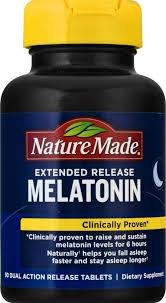
Nature Made Extended Release Melatonin, Natrol Time Release Melatonin, ZzzQuil PURE Zzzs All Night Extended Release

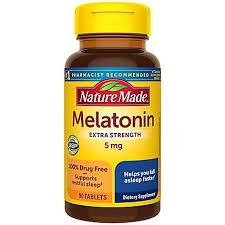
Nature’s Bounty Quick Dissolve Melatonin, Natrol Melatonin Fast Dissolve Tablets,, Natrol Melatonin Fast Dissolve Tablets
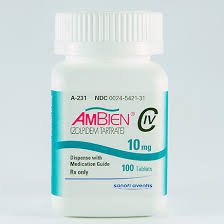
Ambien
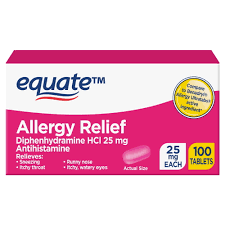
Benadryl
Explore various treatment options to empower yourself in making a well-informed choice.
Choose treatments from the menu above to see how they compare side by side.
Choose treatments from the menu above to see how they compare side by side.
Choose treatments from the menu above to see how they compare side by side.

Copyright © 2025,Curbside and related marks are registered trademarks of Curbside Tech Inc.