
Gastroenteritis
Gastroenteritis is an inflammation of the stomach and intestines, usually caused by a viral, bacterial, or parasitic infection. It commonly leads to diarrhea, nausea, vomiting, stomach cramps, and sometimes fever. Most cases are mild and improve within a few days, but severe cases can cause dehydration, especially in young children and older adults. Treatment focuses on rest, fluids, and electrolyte replacement, while antibiotics are only used if a specific bacterial cause is confirmed.
AI Summary of Treatment Experiences
Not medical advice.
Based on the reviews provided, gastroenteritis treatment focuses on managing dehydration and symptoms. IV hydration is highly effective for severe cases, restoring fluids and electrolytes when oral intake fails. Ondansetron (Zofran) is the preferred anti-nausea medication, with metoclopramide and prochlorperazine as alternatives. Loperamide can reduce diarrhea but should be avoided if bacterial infection is suspected due to risk of worsening outcomes. The BRAT diet offers a gentle dietary starting point during recovery, though balanced nutrition should follow.

Treatments Shared by the Community
Explore what patients, caregivers, and clinicians have said about these treatments.
7 Treatments for Gastroenteritis
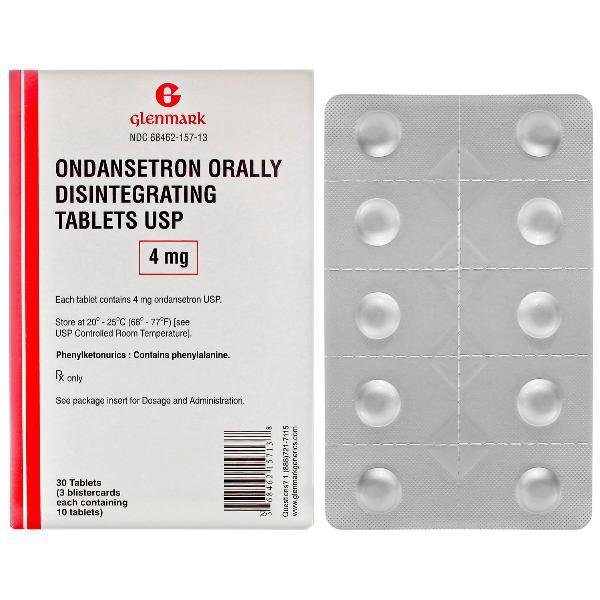
Zofran

IV fluids
Reglan
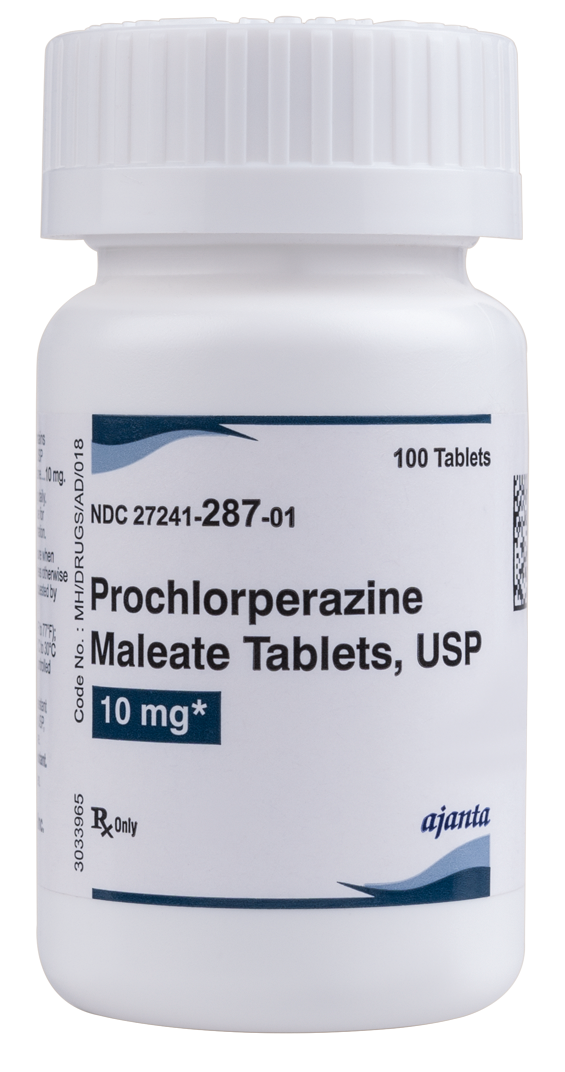
Compazine
Imodium
Explore various treatment options to empower yourself in making a well-informed choice.
Choose treatments from the menu above to see how they compare side by side.
Choose treatments from the menu above to see how they compare side by side.
Choose treatments from the menu above to see how they compare side by side.

Copyright © 2025,Curbside and related marks are registered trademarks of Curbside Tech Inc.