
Chlamydia
The Clam
Chlamydia is a common sexually transmitted infection (STI) caused by the bacterium Chlamydia trachomatis. It often affects the genitals, rectum, and throat, and many people—especially women—have no symptoms. When present, symptoms can include burning with urination, abnormal discharge, rectal pain, or pelvic/testicular discomfort. If untreated, chlamydia may lead to pelvic inflammatory disease (PID), infertility, or ectopic pregnancy in women, and epididymitis in men. Diagnosis is typically made with a nucleic acid amplification test (NAAT), and treatment involves a short course of antibiotics such as doxycycline. Routine screening, safe sex practices, and treating sexual partners are key to prevention and control.
AI Summary of Treatment Experiences
Not medical advice.
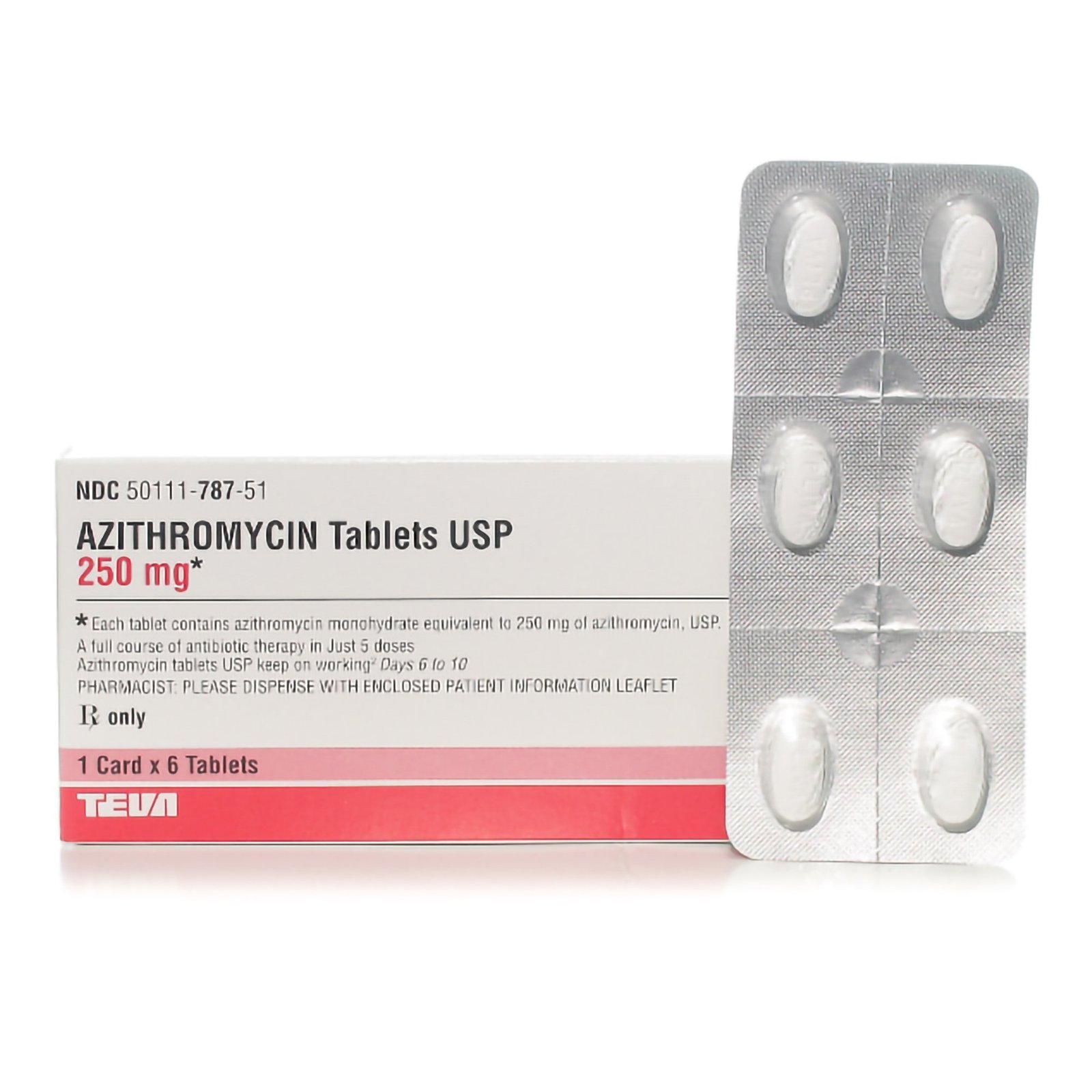
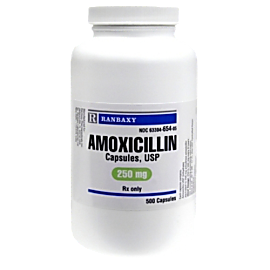
# Chlamydia Treatment Summary Doxycycline is the first-line treatment for chlamydia, with a 5-star rating and high cure rates over 7 days, particularly effective for rectal infections. Azithromycin remains a reasonable alternative, though concerns about lower effectiveness compared to doxycycline have shifted it from preferred to secondary status. Amoxicillin and levofloxacin serve as backup options for patients with allergies or contraindications to first-line treatments. Condoms are rated as one of the best prevention methods, significantly reducing transmission risk when used correctly and consistently.

Treatments Shared by the Community
Explore what patients, caregivers, and clinicians have said about these treatments.
5 Treatments for Chlamydia
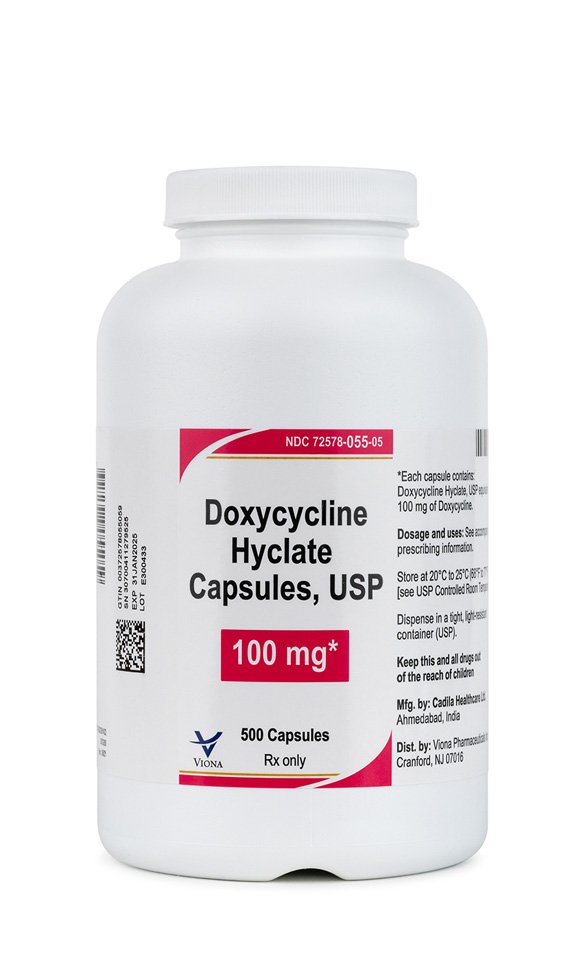
Vibramycin, Doryx, Monodox, Adoxa, Oracea, Acticlate

Levaquin
Explore various treatment options to empower yourself in making a well-informed choice.
Choose treatments from the menu above to see how they compare side by side.
Choose treatments from the menu above to see how they compare side by side.
Choose treatments from the menu above to see how they compare side by side.

Copyright © 2025,Curbside and related marks are registered trademarks of Curbside Tech Inc.