
Azthromycin
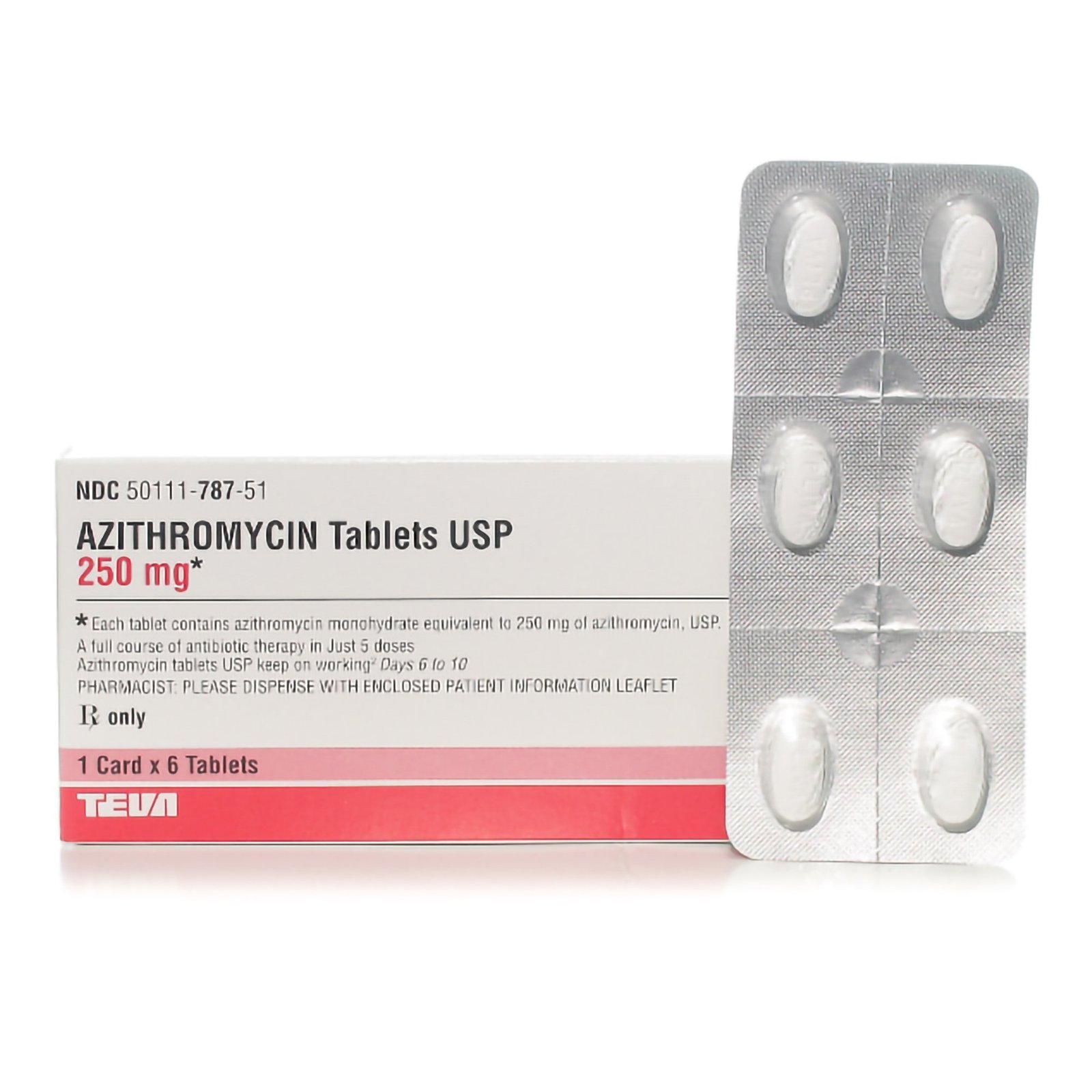
Azithromycin is an alternative treatment for chlamydia, typically given as a single oral dose of 1 g. It was widely used in the past because of its convenience and good tolerability, but recent evidence shows it is less effective than doxycycline, especially for rectal and pharyngeal infections. It is still sometimes chosen when adherence to a 7-day course of doxycycline is a concern, or in certain situations like pregnancy. Side effects may include gastrointestinal upset, headache, or, rarely, heart rhythm changes.
Treatment Type: Prescription Medication
Treatment Class: Macrolide
Treatment Modality: Intravenous (IV), Oral
Review Summary
Based on the review, while Azithromycin is a treatment option for Chlamydia, the review actually suggests that Doxycycline might be a more effective choice, particularly for rectal and pharyngeal infections. The review highlights that Doxycycline has higher cure rates, though it requires a longer 7-day treatment course compared to Azithromycin's single-dose regimen.

This summary was generated by users' reviews
Breakdown by Category
Each categories are rated on a 1–5 scale, with 5 being the most favorable outcome and 1 being the least. These scores are averaged across all user reviews to provide a clear sense of how this treatment typically performs in each area.
 Cost
Cost Relief Speed
 Side Effects
 Treatment Line
Explore various treatment options to empower yourself in making a well-informed choice.
Choose treatments from the menu above to see how they compare side by side.
Choose treatments from the menu above to see how they compare side by side.
Choose treatments from the menu above to see how they compare side by side.
4.0
AI Summary of User Experiences
Not medical advice.
Based on the review, while Azithromycin is a treatment option for Chlamydia, the review actually suggests that Doxycycline might be a more effective choice, particularly for rectal and pharyngeal infections. The review highlights that Doxycycline has higher cure rates, though it requires a longer 7-day treatment course compared to Azithromycin's single-dose regimen.
Cost Relief Speed Side Effect Treatment Line


Copyright © 2025,Curbside and related marks are registered trademarks of Curbside Tech Inc.
Reviews
Filter by reviewer type Pro