
Alcohol Withdrawal
Alcohol withdrawal occurs when a person who drinks heavily or regularly stops suddenly, and the brain, which has adapted to alcohol’s depressant effects, becomes overactive. Early symptoms usually appear within 6–12 hours and include sweating, rapid heartbeat, anxiety, restlessness, nausea, and tremors in the hands. As withdrawal progresses over the next day or two, symptoms intensify, with more pronounced shaking, heightened sensitivity to light and sound, vivid nightmares, and sometimes hallucinations — seeing insects, hearing voices, or feeling things crawling on the skin. Around 24–48 hours, seizures may occur, often generalized and sometimes in clusters. In severe cases, typically 48–96 hours after the last drink, delirium tremens (DTs) develop, marked by severe confusion, disorientation, terrifying hallucinations, paranoia, extreme agitation, and dangerously unstable blood pressure and heart rate. These late symptoms can be life-threatening without medical care. The spectrum ranges from mild discomfort to critical emergencies, which is why alcohol withdrawal is closely monitored in hospitals when severe risk is present.
AI Summary of Treatment Experiences
Not medical advice.
# Treatment Summary for Alcohol Withdrawal Benzodiazepines are the cornerstone of alcohol withdrawal management, with diazepam preferred in acute settings due to its long half-life and smooth coverage, while lorazepam and chlordiazepoxide offer alternatives for patients with liver disease or outpatient tapering. Midazolam provides rapid seizure control in severe cases, and phenobarbital serves as a backup for hard-to-control seizures. Supportive care with banana bag infusions (thiamine, folate, multivitamins, and fluids) is standard for unstable or vomiting patients to prevent complications, though oral equivalents suffice for stable, mentally clear patients.

Treatments Shared by the Community
Explore what patients, caregivers, and clinicians have said about these treatments.
6 Treatments for Alcohol Withdrawal
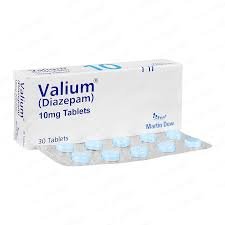
Valium

Ativan
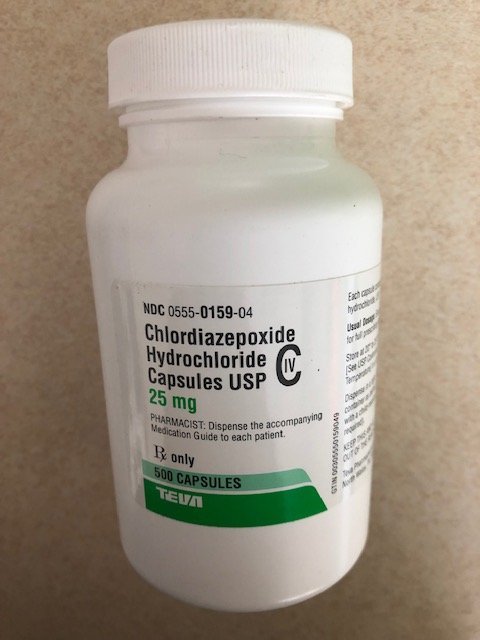
Librium
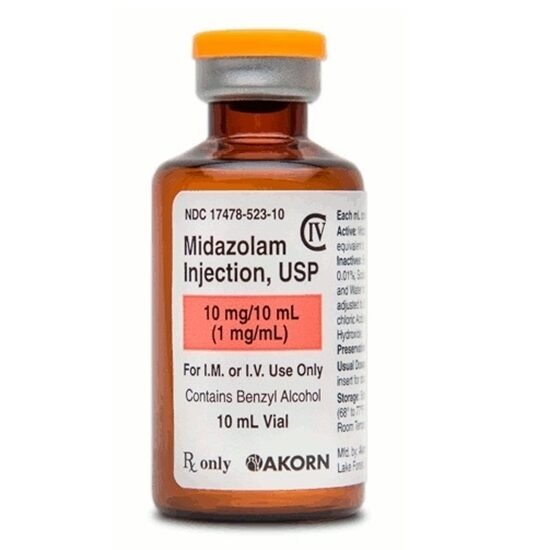
Versed
Explore various treatment options to empower yourself in making a well-informed choice.
Choose treatments from the menu above to see how they compare side by side.
Choose treatments from the menu above to see how they compare side by side.
Choose treatments from the menu above to see how they compare side by side.

Copyright © 2025,Curbside and related marks are registered trademarks of Curbside Tech Inc.