
Phenobarbital
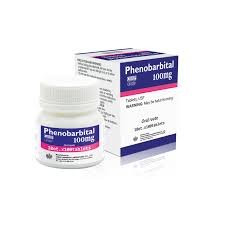
Phenobarbital is a barbiturate sometimes used for severe or hard-to-treat alcohol withdrawal. It calms brain overactivity like benzodiazepines but through a different pathway. Its long half-life provides steady symptom control and helps protect against seizures, reducing the need for frequent dosing. Because of risks like oversedation, breathing problems, or low blood pressure, it is best used in ER or ICU settings with close monitoring. Overall, it is a strong option when standard treatments aren’t enough.
Treatment Type: Prescription Medication
Treatment Class: Barbituate
Treatment Modality: Injection, Intravenous (IV), Oral
Review Summary
Based on the review by Dr. Curbside, Phenobarbital appears to be an effective treatment for severe alcohol withdrawal, especially in cases involving seizures. It offers steady protection against withdrawal seizures due to its long half-life, though careful medical supervision is crucial to manage potential side effects like oversedation and respiratory complications.

This summary was generated by users' reviews
Breakdown by Category
Each categories are rated on a 1–5 scale, with 5 being the most favorable outcome and 1 being the least. These scores are averaged across all user reviews to provide a clear sense of how this treatment typically performs in each area.
 Cost
Cost Relief Speed
 Side Effects
 Treatment Line
Explore various treatment options to empower yourself in making a well-informed choice.
Choose treatments from the menu above to see how they compare side by side.
Choose treatments from the menu above to see how they compare side by side.
Choose treatments from the menu above to see how they compare side by side.
4.0
AI Summary of User Experiences
Not medical advice.
Based on the review by Dr. Curbside, Phenobarbital appears to be an effective treatment for severe alcohol withdrawal, especially in cases involving seizures. It offers steady protection against withdrawal seizures due to its long half-life, though careful medical supervision is crucial to manage potential side effects like oversedation and respiratory complications.
Cost Relief Speed Side Effect Treatment Line


Copyright © 2025,Curbside and related marks are registered trademarks of Curbside Tech Inc.
Reviews
Filter by reviewer type Pro