
Fibromyalgia
Fibromyalgia is a chronic disorder characterized by widespread musculoskeletal pain, fatigue, and tenderness in specific areas of the body. It often coexists with symptoms such as sleep disturbances, cognitive difficulties (“fibro fog”), and mood disorders like anxiety or depression. The exact cause is unknown, but it is thought to involve abnormal pain processing in the central nervous system. Diagnosis is clinical, based on symptoms and the exclusion of other conditions. While there is no cure, treatment includes a combination of medications, physical activity, stress reduction, and cognitive behavioral therapy.
AI Summary of Treatment Experiences
Not medical advice.
# Fibromyalgia Treatment Summary The fibromyalgia treatment landscape includes both pharmacologic and non-pharmacologic approaches. First-line medications include duloxetine, milnacipran, and pregabalin (Lyrica), all SNRIs or nerve pain modulators that reduce central pain sensitization and improve function. Cyclobenzaprine is used off-label as an adjunct for sleep and muscle tension relief. Non-drug therapies like cognitive behavioral therapy and aerobic exercise (90 minutes weekly) are well-supported and work best when combined with medications, though benefits typically emerge over weeks to months rather than immediately.

Treatments Shared by the Community
Explore what patients, caregivers, and clinicians have said about these treatments.
7 Treatments for Fibromyalgia

Savella
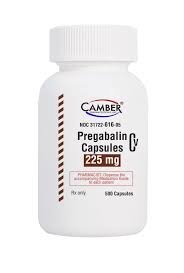
Lyrica
Flexeril
Low dose naltrexone, LDN
Explore various treatment options to empower yourself in making a well-informed choice.
Choose treatments from the menu above to see how they compare side by side.
Choose treatments from the menu above to see how they compare side by side.
Choose treatments from the menu above to see how they compare side by side.

Copyright © 2025,Curbside and related marks are registered trademarks of Curbside Tech Inc.