
Central Sleep Apnea
CSA
Central sleep apnea (CSA) is a disorder where breathing repeatedly stops during sleep because the brain doesn’t send proper signals to the muscles that control breathing. Unlike obstructive sleep apnea, CSA is not caused by a blocked airway. It can be triggered by conditions like heart failure, stroke, or the use of certain medications, especially opioids. Common symptoms include poor sleep, daytime fatigue, and observed pauses in breathing. Diagnosis is made with a sleep study, and treatment may involve managing underlying conditions, using breathing support devices, or providing supplemental oxygen.
AI Summary of Treatment Experiences
Not medical advice.
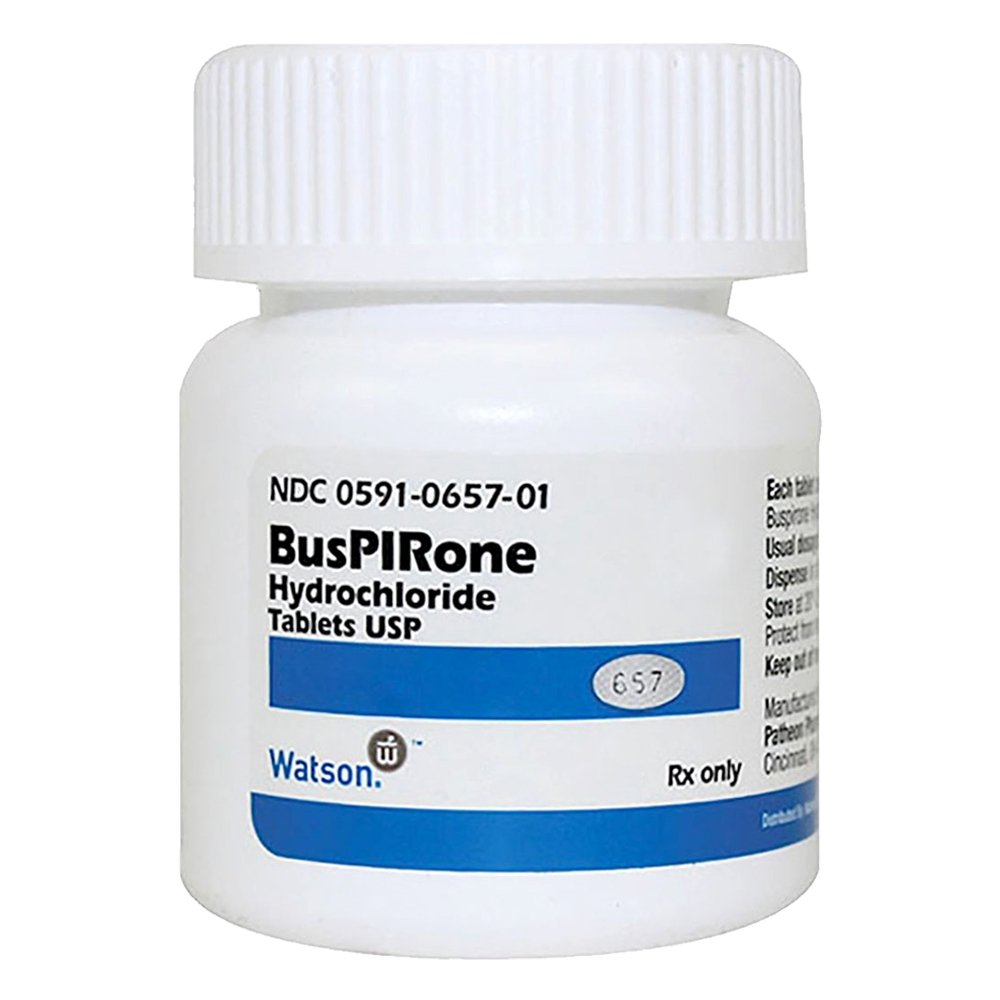
# Central Sleep Apnea Treatment Summary Based on reviewer submissions, treatment approaches for Central Sleep Apnea follow a stepped progression: Continuous Positive Airway Pressure (CPAP) is typically the initial treatment option, with Bilevel Positive Airway Pressure considered as a next step when CPAP fails to adequately control symptoms. Adaptive Servo-Ventilation (ASV) represents a more advanced therapy for patients unresponsive to standard positive airway pressure treatments, though it is contraindicated in patients with heart failure and reduced ejection fraction (≤45%). Several pharmacological options including Buspirone, Theophylline, and Acetazolamide are listed as available treatments, though no user reviews currently exist for these medications or other options like Supplemental Oxygen and Transvenous Phrenic Nerve Stimulation.
Treatments Shared by the Community
Explore what patients, caregivers, and clinicians have said about these treatments.
8 Treatments for Central Sleep Apnea

ASV, ResMed AirCurve 10 ASV, Philips DreamStation BiPAP autoSV, ResMed AirCurve ASV VAuto
TPNS, remedē® System
Explore various treatment options to empower yourself in making a well-informed choice.
Choose treatments from the menu above to see how they compare side by side.
Choose treatments from the menu above to see how they compare side by side.
Choose treatments from the menu above to see how they compare side by side.

Copyright © 2025,Curbside and related marks are registered trademarks of Curbside Tech Inc.