
Vitamin C
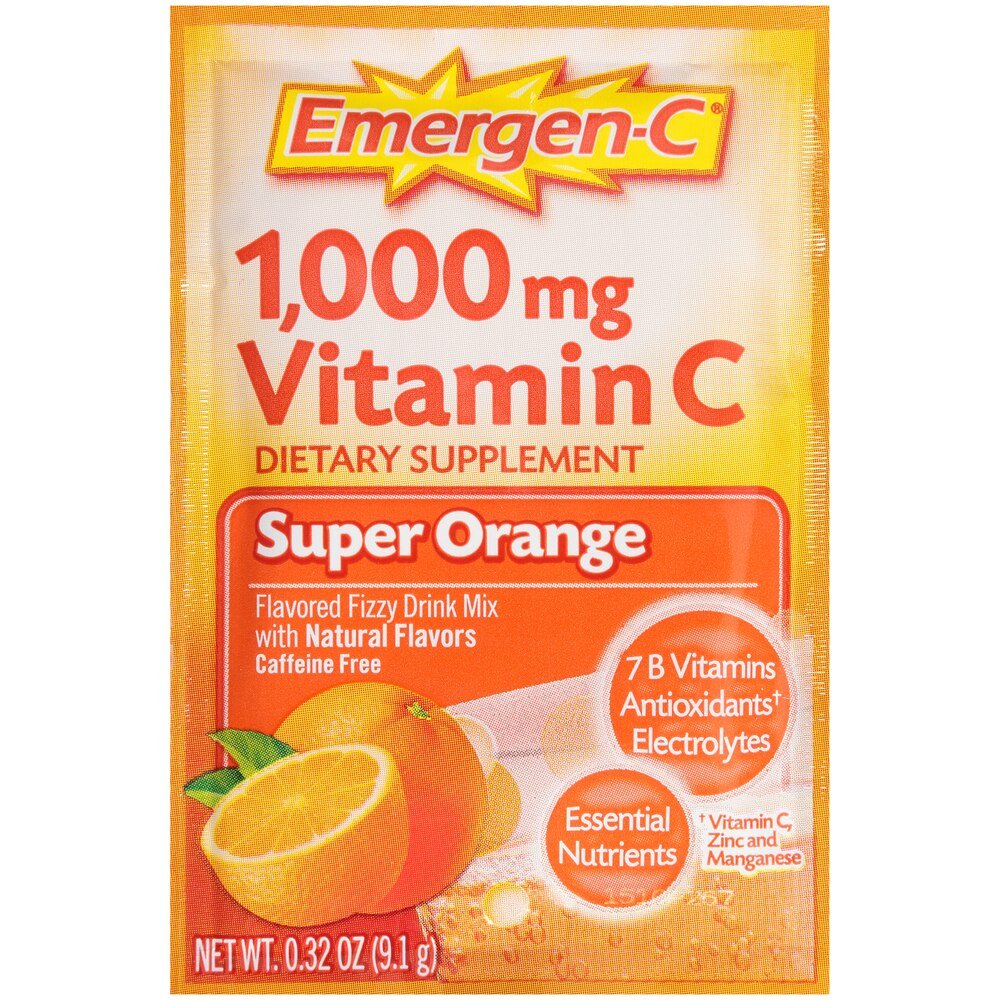
Alternative Names: Emergen-C 1,000mg Vitamin C Supplement, Super Orange, Nature Made 1000 mg Vitamin C Tablets, Nature's Bounty Vitamin C 1000 mg
Vitamin C (ascorbic acid) is a water-soluble vitamin and antioxidant commonly used for immune support during the common cold. While it does not reliably prevent colds in most people, regular daily use may slightly shorten the duration and reduce the severity of symptoms, typically by about half to one day. Starting vitamin C after symptoms begin has limited benefit. It is taken orally (tablets, capsules, chewables, or powders), commonly at doses of 200–1,000 mg daily, and is generally well tolerated, though higher doses can cause stomach upset or diarrhea. Vitamin C is best considered a low-risk, supportive treatment, not a cure.
Treatment Type: Over the Counter Medication
Treatment Class: Vitamin
Treatment Modality: Oral
Review Summary
Based on the provided review, Vitamin C shows **mixed effectiveness** for upper respiratory infections, with most evidence indicating **minimal overall benefit**, especially when started after symptoms appear. However, it remains a reasonable low-risk, low-cost option that may provide a small reduction in symptom duration or severity when used as a complementary treatment.

This summary was generated by users' reviews
Breakdown by Category
Each categories are rated on a 1–5 scale, with 5 being the most favorable outcome and 1 being the least. These scores are averaged across all user reviews to provide a clear sense of how this treatment typically performs in each area.
 Cost
Cost Relief Speed
 Side Effects
 Treatment Line
Explore various treatment options to empower yourself in making a well-informed choice.
Choose treatments from the menu above to see how they compare side by side.
Choose treatments from the menu above to see how they compare side by side.
Choose treatments from the menu above to see how they compare side by side.
3.0
AI Summary of User Experiences
Not medical advice.
Based on the provided review, Vitamin C shows **mixed effectiveness** for upper respiratory infections, with most evidence indicating **minimal overall benefit**, especially when started after symptoms appear. However, it remains a reasonable low-risk, low-cost option that may provide a small reduction in symptom duration or severity when used as a complementary treatment.
Cost Relief Speed Side Effect Treatment Line


Copyright © 2025,Curbside and related marks are registered trademarks of Curbside Tech Inc.
Reviews
Filter by reviewer type Pro