
Diazepam
Alternative Names: Valium
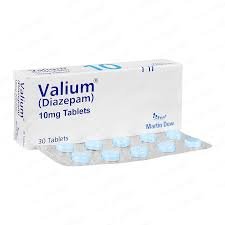
Valium (diazepam) is sometimes used to help manage the severe vertigo and nausea that can occur during BPPV episodes. It works by calming the brain’s vestibular system and reducing dizziness and anxiety related to vertigo. However, Valium does not treat the underlying cause (dislodged inner ear crystals) and is usually used short-term for symptom relief while repositioning maneuvers like the Epley maneuver are performed. Long-term use is discouraged because it can delay the brain’s natural compensation and carries risks like sedation, dependence, and falls, especially in older adults.
Treatment Type: Prescription Medication
Treatment Class: Benzodiazepine
Treatment Modality: Injection, Intravenous (IV), Oral
Review Summary
Based on the review, Diazepam can be effective for severe Benign Paroxysmal Positional Vertigo (BPPV) symptoms, particularly when other treatments have not worked. It helps control intense vertigo and anxiety by calming the vestibular system, but it is typically used as a last resort due to potential side effects like sedation and risk of dependence.

This summary was generated by users' reviews
Breakdown by Category
Each categories are rated on a 1–5 scale, with 5 being the most favorable outcome and 1 being the least. These scores are averaged across all user reviews to provide a clear sense of how this treatment typically performs in each area.
 Cost
Cost Relief Speed
 Side Effects
 Treatment Line
Explore various treatment options to empower yourself in making a well-informed choice.
Choose treatments from the menu above to see how they compare side by side.
Choose treatments from the menu above to see how they compare side by side.
Choose treatments from the menu above to see how they compare side by side.
3.0
AI Summary of User Experiences
Not medical advice.
Based on the review, Diazepam can be effective for severe Benign Paroxysmal Positional Vertigo (BPPV) symptoms, particularly when other treatments have not worked. It helps control intense vertigo and anxiety by calming the vestibular system, but it is typically used as a last resort due to potential side effects like sedation and risk of dependence.
Cost Relief Speed Side Effect Treatment Line


Copyright © 2025,Curbside and related marks are registered trademarks of Curbside Tech Inc.
Reviews
Filter by reviewer type Pro