
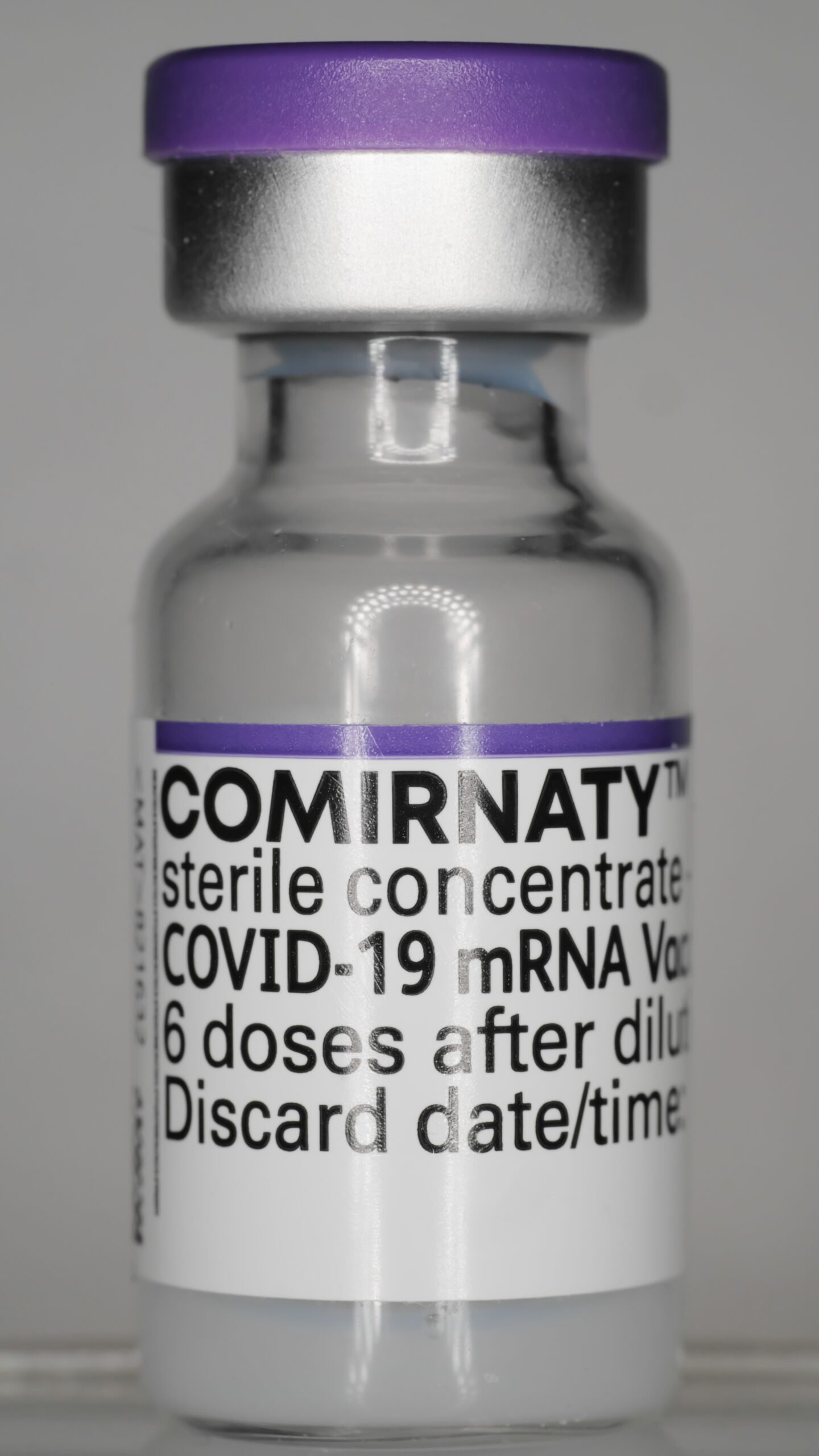
Comirnaty
Alternative Names: Pfizer Covid-19 Vaccine, BNT162b2
The Pfizer COVID-19 vaccine, brand name Comirnaty, is an mRNA vaccine that helps the immune system recognize and fight the virus that causes COVID-19. It works by teaching the body to make a harmless piece of the virus (the spike protein), so the immune system can learn to attack it if the real virus shows up.
It was the first COVID-19 vaccine to receive full FDA approval and is approved for children and adults, with different doses based on age. Updated versions are available to protect against newer variants. Common side effects include soreness at the injection site, fatigue, and mild fever. Serious side effects are rare.
Treatment Type: Prescription Medication
Treatment Class: Vaccine
Treatment Modality: Injection
Review Summary
Based on the single review provided, the Pfizer-BioNTech COVID-19 vaccine (Comirnaty) is considered highly effective in protecting against severe illness, particularly for high-risk individuals. However, the review suggests that vaccine protection typically wanes after about six months, and the decision to continue with updated doses should be based on personal risk factors, exposure risk, and current public health guidance.

This summary was generated by users' reviews
Breakdown by Category
Each categories are rated on a 1–5 scale, with 5 being the most favorable outcome and 1 being the least. These scores are averaged across all user reviews to provide a clear sense of how this treatment typically performs in each area.
 Cost
Cost Relief Speed
 Side Effects
 Treatment Line
Explore various treatment options to empower yourself in making a well-informed choice.
Choose treatments from the menu above to see how they compare side by side.
Choose treatments from the menu above to see how they compare side by side.
Choose treatments from the menu above to see how they compare side by side.
3.0
AI Summary of User Experiences
Not medical advice.
Based on the single review provided, the Pfizer-BioNTech COVID-19 vaccine (Comirnaty) is considered highly effective in protecting against severe illness, particularly for high-risk individuals. However, the review suggests that vaccine protection typically wanes after about six months, and the decision to continue with updated doses should be based on personal risk factors, exposure risk, and current public health guidance.
Cost Relief Speed Side Effect Treatment Line


Copyright © 2025,Curbside and related marks are registered trademarks of Curbside Tech Inc.
Reviews
Filter by reviewer type Pro