
Ciprofloxacin
Alternative Names: Cipro
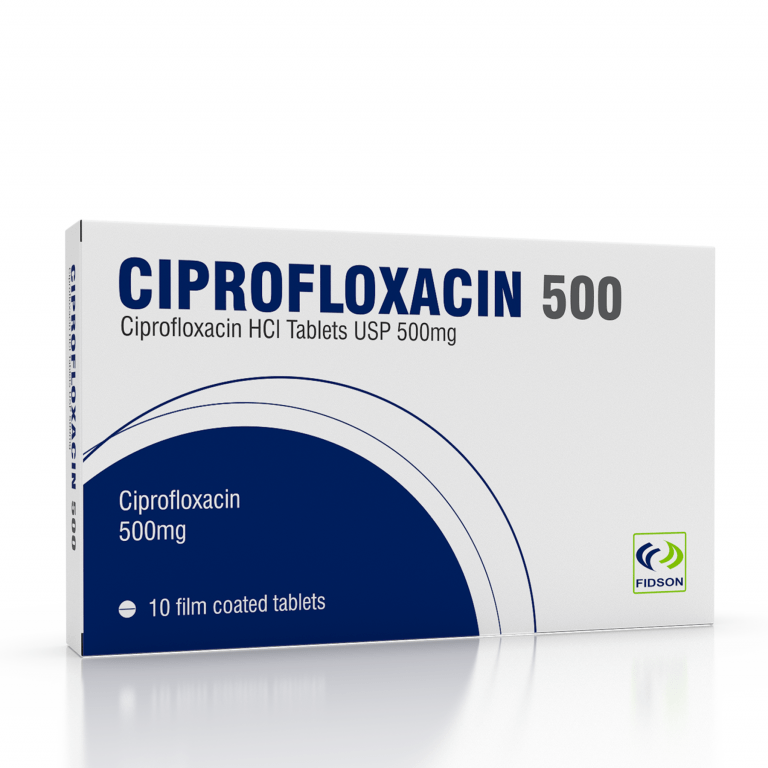
Ciprofloxacin is a fluoroquinolone antibiotic commonly used to treat bacterial prostatitis, especially infections caused by E. coli and other gram-negative organisms. It works by inhibiting bacterial DNA gyrase and topoisomerase IV, preventing bacterial replication. Ciprofloxacin penetrates prostate tissue well, making it effective for both acute and chronic bacterial infections. Typical courses range from 2–4 weeks for acute prostatitis and up to 6 weeks for chronic cases. However, it should be used cautiously due to possible side effects such as tendon injury, QT prolongation, and antibiotic resistance, and is generally avoided when local resistance rates are high.
Treatment Type: Prescription Medication
Treatment Class: Fluoroquinolones
Treatment Modality: Intravenous (IV), Oral
Review Summary
Based on the review by Dr. Curbside, Ciprofloxacin appears to be a highly effective first-line antibiotic treatment for bacterial prostatitis, with strong activity against gram-negative organisms and good prostate tissue penetration. However, patients and clinicians should be aware of potential serious side effects such as tendon injury and neuropathy.

This summary was generated by users' reviews
Breakdown by Category
Each categories are rated on a 1–5 scale, with 5 being the most favorable outcome and 1 being the least. These scores are averaged across all user reviews to provide a clear sense of how this treatment typically performs in each area.
 Cost
Cost Relief Speed
 Side Effects
 Treatment Line
Explore various treatment options to empower yourself in making a well-informed choice.
Choose treatments from the menu above to see how they compare side by side.
Choose treatments from the menu above to see how they compare side by side.
Choose treatments from the menu above to see how they compare side by side.
5.0
AI Summary of User Experiences
Not medical advice.
Based on the review by Dr. Curbside, Ciprofloxacin appears to be a highly effective first-line antibiotic treatment for bacterial prostatitis, with strong activity against gram-negative organisms and good prostate tissue penetration. However, patients and clinicians should be aware of potential serious side effects such as tendon injury and neuropathy.
Cost Relief Speed Side Effect Treatment Line


Copyright © 2025,Curbside and related marks are registered trademarks of Curbside Tech Inc.
Reviews
Filter by reviewer type Pro