
Ceftriaxone
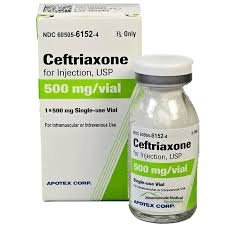
Ceftriaxone is a third-generation cephalosporin antibiotic used primarily for acute bacterial prostatitis, especially in hospitalized patients or when a severe infection is suspected. It works by inhibiting bacterial cell wall synthesis, leading to cell death, and is effective against many gram-negative organisms such as E. coli and Klebsiella, as well as some gram-positive bacteria. Ceftriaxone is given by intravenous or intramuscular injection, making it suitable for patients unable to tolerate oral therapy or with systemic symptoms like fever or sepsis. It is often used initially, then switched to an oral agent such as ciprofloxacin or trimethoprim-sulfamethoxazole once the patient improves.
Treatment Type: Prescription Medication
Treatment Class: Cephalosporin
Treatment Modality: Injection, Intravenous (IV)
Review Summary
Based on the review by Dr. Curbside, Ceftriaxone appears to be an effective treatment for acute bacterial prostatitis, particularly in severe cases requiring hospitalization. It provides broad-spectrum coverage against gram-negative pathogens and can be administered intravenously for rapid intervention, with the potential to transition to oral antibiotics as the patient improves.

This summary was generated by users' reviews
Breakdown by Category
Each categories are rated on a 1–5 scale, with 5 being the most favorable outcome and 1 being the least. These scores are averaged across all user reviews to provide a clear sense of how this treatment typically performs in each area.
 Cost
Cost Relief Speed
 Side Effects
 Treatment Line
Explore various treatment options to empower yourself in making a well-informed choice.
Choose treatments from the menu above to see how they compare side by side.
Choose treatments from the menu above to see how they compare side by side.
Choose treatments from the menu above to see how they compare side by side.
5.0
AI Summary of User Experiences
Not medical advice.
Based on the review by Dr. Curbside, Ceftriaxone appears to be an effective treatment for acute bacterial prostatitis, particularly in severe cases requiring hospitalization. It provides broad-spectrum coverage against gram-negative pathogens and can be administered intravenously for rapid intervention, with the potential to transition to oral antibiotics as the patient improves.
Cost Relief Speed Side Effect Treatment Line


Copyright © 2025,Curbside and related marks are registered trademarks of Curbside Tech Inc.
Reviews
Filter by reviewer type Pro