
Vulvovaginal candidiasis
Candidal vaginitis, Yeast infection, VVC,Vaginal candidiasis
Vaginal candidiasis is a fungal infection of the vagina most commonly caused by Candida albicans. It occurs when yeast that normally lives in small amounts overgrows due to factors like antibiotic use, hormonal changes, or diabetes. Symptoms include vaginal itching, burning, redness, and a thick white discharge resembling cottage cheese. Diagnosis is based on symptoms and may be confirmed by microscopic examination or culture. Treatment usually involves topical antifungal creams or a single oral dose of fluconazole.
AI Summary of Treatment Experiences
Not medical advice.
# Treatment Summary for Vulvovaginal Candidiasis The treatment landscape includes both OTC and prescription options. First-line OTC treatments are clotrimazole and miconazole (available as creams or suppositories), which are effective, safe during pregnancy, and provide symptom relief within days. For convenience, tioconazole offers single-dose OTC therapy. When OTC options fail, prescription alternatives include terconazole (stronger activity against resistant Candida strains) and butoconazole (single-dose cream with high cure rates, safe in pregnancy). Fluconazole is a convenient one-time oral option but is contraindicated in pregnancy due to fetal risks.

Treatments Shared by the Community
Explore what patients, caregivers, and clinicians have said about these treatments.
6 Treatments for Vulvovaginal candidiasis
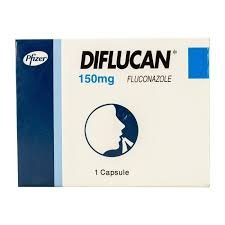
Diflucan
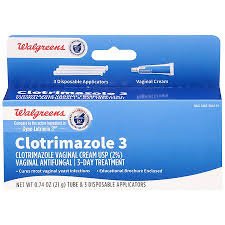
Gyne-Lotrimin, Lotrimin

Monistat 1, Monistat 3, Monistat 7
Terazol 3, Terazol 7
Gynazole-1
Vagistat-1
Explore various treatment options to empower yourself in making a well-informed choice.
Choose treatments from the menu above to see how they compare side by side.
Choose treatments from the menu above to see how they compare side by side.
Choose treatments from the menu above to see how they compare side by side.

Copyright © 2025,Curbside and related marks are registered trademarks of Curbside Tech Inc.