
Thrush
Oropharyngeal Candidiasis, Oral Candidiasis
Thrush is a common yeast infection caused by an overgrowth of Candida, usually Candida albicans. It most often affects the mouth and throat, where it appears as white, creamy patches on the tongue, inner cheeks, or roof of the mouth that may be painful or bleed when scraped. Thrush can also cause redness, soreness, a cotton-like feeling in the mouth, or difficulty swallowing.
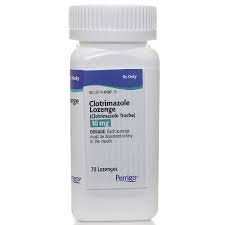
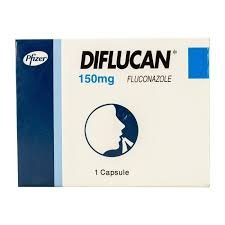
It is more common in infants, older adults, people with weakened immune systems, or those using antibiotics, inhaled steroids, or dentures. While usually mild, it can spread or become persistent in people with immune compromise. Treatment typically involves antifungal medications (like nystatin, fluconazole, or clotrimazole) and addressing underlying risk factors.
AI Summary of Treatment Experiences
Not medical advice.
# Thrush Treatment Summary Thrush is managed with both topical and systemic antifungal options. **Nystatin suspension** and **clotrimazole troches** serve as first-line topical treatments for mild to moderate cases, though frequent dosing can affect adherence. **Miconazole mucoadhesive buccal tablets** offer improved convenience with once-daily dosing while maintaining local efficacy. **Fluconazole**, a systemic oral antifungal, is reserved for extensive or treatment-resistant cases when topical options fail or aren't tolerated. Treatment selection depends on case severity, dosing convenience needs, and patient tolerance.
Treatments Shared by the Community
Explore what patients, caregivers, and clinicians have said about these treatments.
4 Treatments for Thrush

Explore various treatment options to empower yourself in making a well-informed choice.
Choose treatments from the menu above to see how they compare side by side.
Choose treatments from the menu above to see how they compare side by side.
Choose treatments from the menu above to see how they compare side by side.

Copyright © 2025,Curbside and related marks are registered trademarks of Curbside Tech Inc.