
Strep Throat
Strep pharyngitis
Strep throat is a bacterial infection caused by Group A Streptococcus (Streptococcus pyogenes) that affects the throat and tonsils. It is highly contagious and typically spreads through respiratory droplets from coughing, sneezing, or close contact with an infected person.
With timely treatment, strep throat typically resolves within 5–7 days. Antibiotics significantly reduce the duration of symptoms and the risk of complications. Untreated cases may persist longer and increase the likelihood of complications.
Strep throat is a common yet manageable condition, and early diagnosis and treatment are key to recovery and preventing its spread.
AI Summary of Treatment Experiences
Not medical advice.
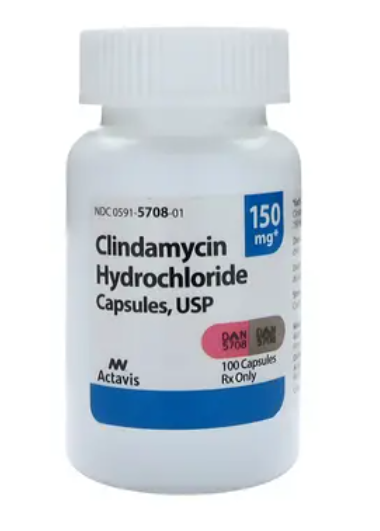
# Strep Throat Treatment Summary Amoxicillin is the top-recommended antibiotic for strep throat, offering the most effectiveness and rapid symptom relief. Benzathine penicillin G is an excellent one-dose alternative that prevents complications like rheumatic fever, though the injection is painful. Cephalexin serves as a strong option for mildly penicillin-allergic patients with similar effectiveness to penicillin. For severe penicillin allergies, Clindamycin and Azithromycin are backup options, though both carry higher side effect risks and lower effectiveness compared to first-line treatments. Symptomatic relief for pain, sore throat, and fever is also available alongside these antibiotics.

Treatments Shared by the Community
Explore what patients, caregivers, and clinicians have said about these treatments.
5 Treatments for Strep Throat

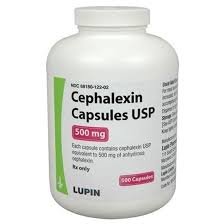
Keflix
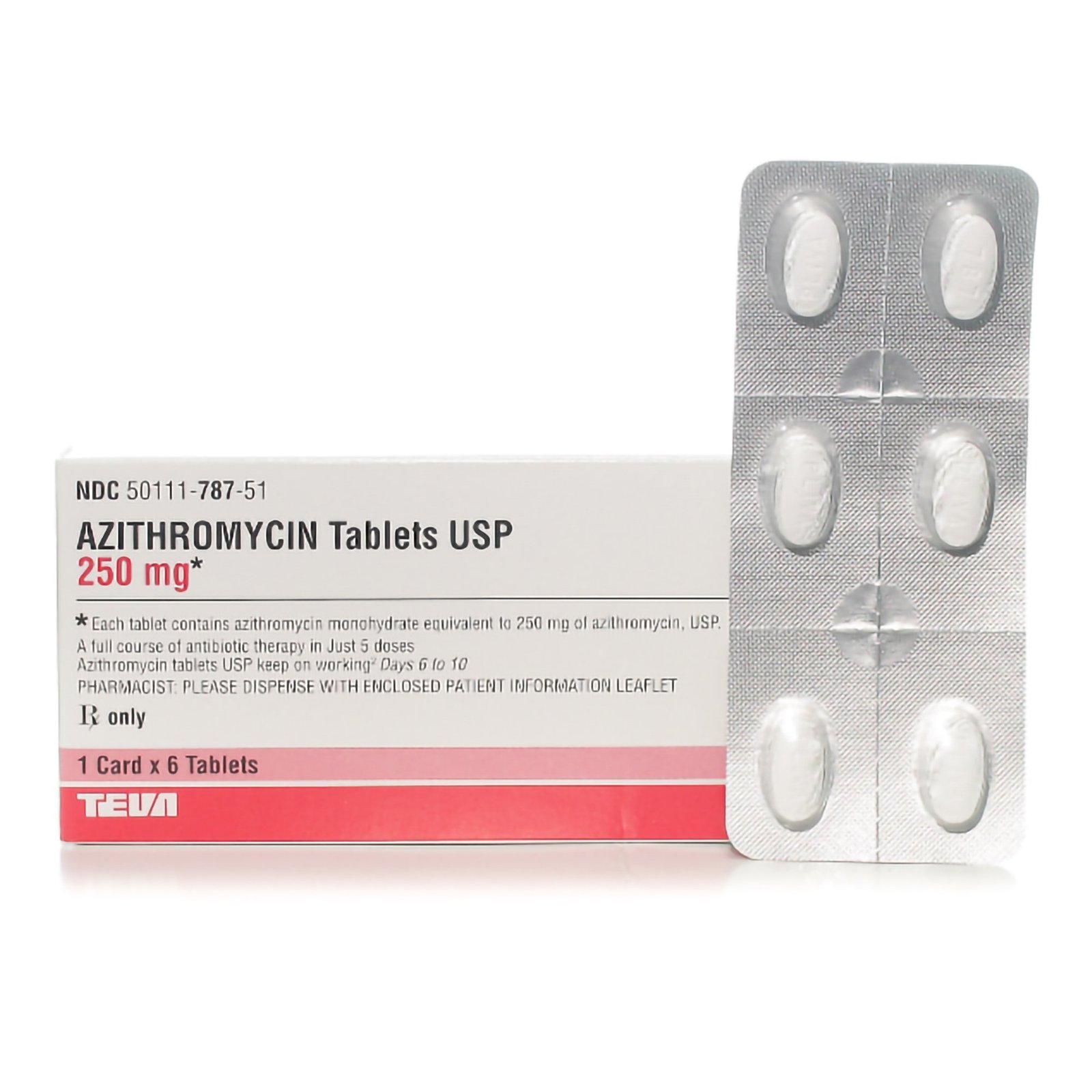
Zithromax
Explore various treatment options to empower yourself in making a well-informed choice.
Choose treatments from the menu above to see how they compare side by side.
Choose treatments from the menu above to see how they compare side by side.
Choose treatments from the menu above to see how they compare side by side.

Copyright © 2025,Curbside and related marks are registered trademarks of Curbside Tech Inc.