
Rotator Cuff Injury
A rotator cuff injury involves damage to one or more of the four muscles and tendons that stabilize the shoulder joint and help with lifting and rotating the arm. Injuries can range from inflammation (tendinitis) to partial or complete tears of the tendons. Common symptoms include shoulder pain, especially with overhead movements, weakness, and difficulty lifting or rotating the arm. Rotator cuff injuries can occur from acute trauma (like lifting something heavy or falling) or repetitive strain (such as frequent overhead activity or weightlifting). Treatment often includes rest, physical therapy, anti-inflammatory medications, and in severe cases, surgical repair.
AI Summary of Treatment Experiences
Not medical advice.
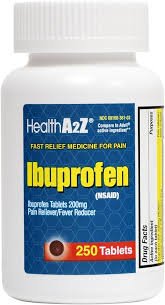
Based on the submitted reviews, the treatment landscape for rotator cuff injury emphasizes a multi-faceted early intervention approach. Ice is recommended as first-line treatment during the initial 48-72 hours to reduce swelling and inflammation. Ibuprofen serves as first-line therapy for pain and inflammation management, though it does not heal the injury itself. Physical therapy is highlighted as a cornerstone treatment that reduces pain, improves strength, and restores shoulder function, with early and consistent participation potentially enabling recovery without surgery. Together, these treatments work synergistically to support comfortable recovery and better outcomes.
Treatments Shared by the Community
Explore what patients, caregivers, and clinicians have said about these treatments.
6 Treatments for Rotator Cuff Injury

Explore various treatment options to empower yourself in making a well-informed choice.
Choose treatments from the menu above to see how they compare side by side.
Choose treatments from the menu above to see how they compare side by side.
Choose treatments from the menu above to see how they compare side by side.

Copyright © 2025,Curbside and related marks are registered trademarks of Curbside Tech Inc.