
Rhinorrhea
Runny nose
Rhinorrhea (runny nose) is usually a mild and self-limiting condition caused by viral infections, allergies, or irritants. It can be managed with OTC medications, saline sprays, and home remedies. However, persistent, severe, or unusual symptoms may require medical attention to rule out sinus infections, nasal polyps, or more serious conditions.
AI Summary of Treatment Experiences
Not medical advice.
# Rhinorrhea Treatment Summary Multiple effective options exist for managing rhinorrhea depending on the underlying cause. **Intranasal Ipratropium Bromide** is highly effective across common colds and allergic rhinitis without causing drowsiness. **Cetirizine** is the preferred antihistamine for allergy-related rhinorrhea with 24-hour relief, though less effective for viral infections. **Oxymetazoline** provides rapid relief for congestion but should be limited to 3 days to prevent rebound congestion. **Pseudoephedrine** helps with postnasal drip but is less effective for watery rhinorrhea and works best short-term with antihistamines. **Nasal saline rinse** and **Fluticasone Propionate** offer non-pharmacologic and steroid-based alternatives, though the latter may require 1-2 days to take effect.

Treatments Shared by the Community
Explore what patients, caregivers, and clinicians have said about these treatments.
7 Treatments for Rhinorrhea

Atrovent Nasal Spray
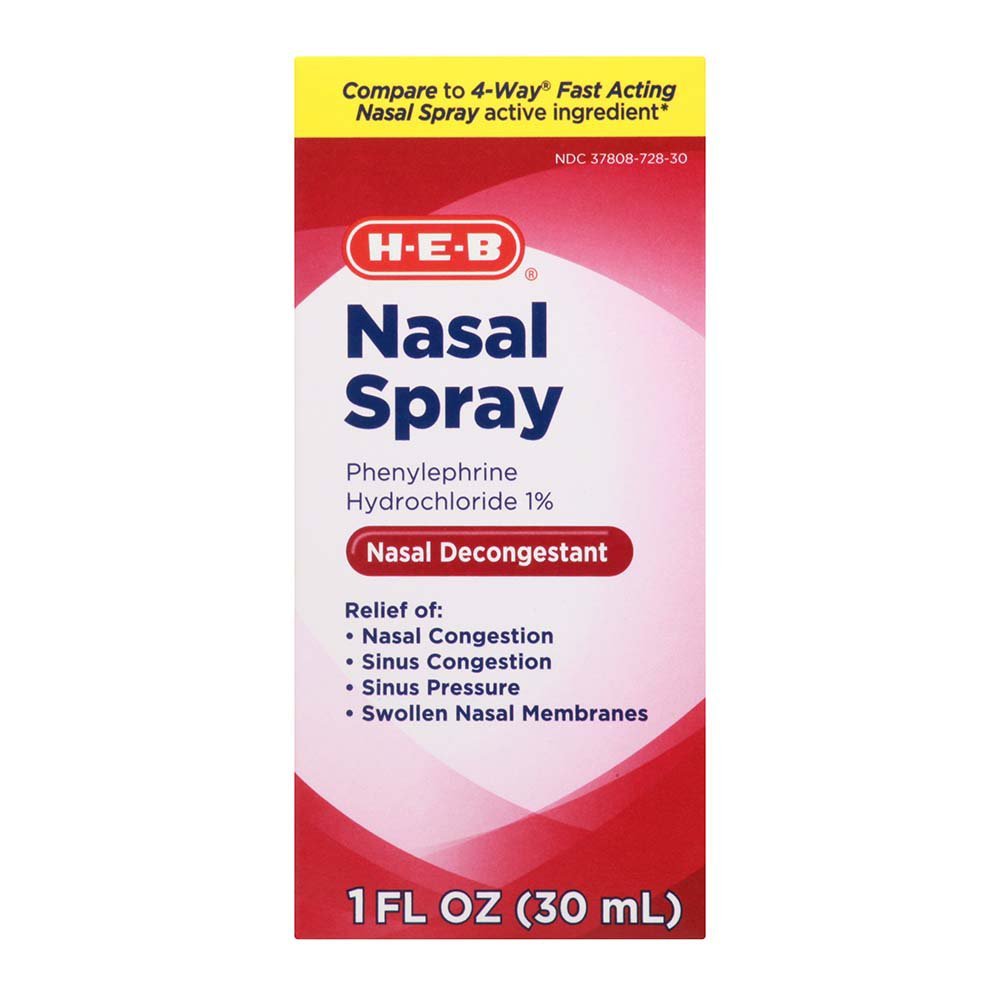
Flonase
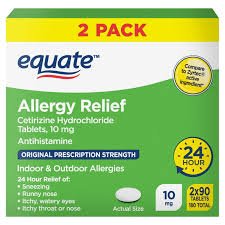
Zyrtec

Afrin
Sudafed
Explore various treatment options to empower yourself in making a well-informed choice.
Choose treatments from the menu above to see how they compare side by side.
Choose treatments from the menu above to see how they compare side by side.
Choose treatments from the menu above to see how they compare side by side.

Copyright © 2025,Curbside and related marks are registered trademarks of Curbside Tech Inc.