
Poison Ivy Dermatitis
Poison ivy dermatitis is a form of allergic contact dermatitis caused by exposure to urushiol, an oily resin found in poison ivy, poison oak, and poison sumac. The reaction typically appears 12–72 hours after exposure and causes intense itching, redness, swelling, and often blistering in a linear or streaked pattern. The rash itself is not contagious, but urushiol can remain on skin, clothing, or surfaces and cause ongoing exposure. Symptoms usually improve over 1–3 weeks, though treatment is often needed to control inflammation and relieve itching.
AI Summary of Treatment Experiences
Not medical advice.
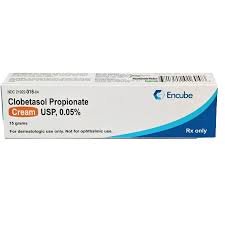
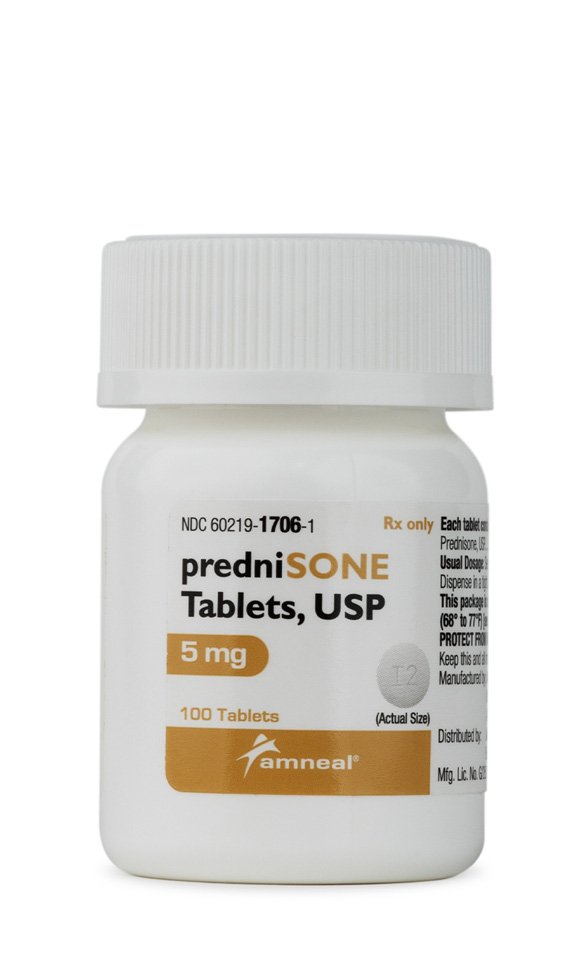
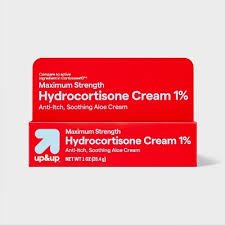
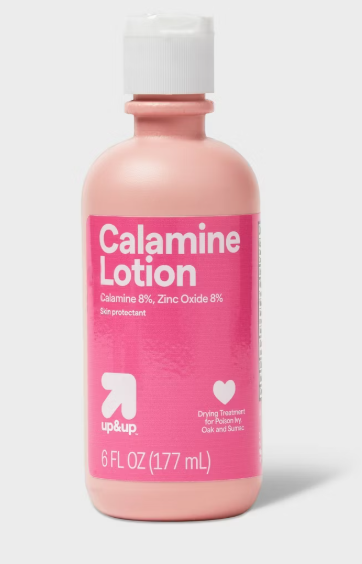
Based on the reviewer submissions, the poison ivy dermatitis treatment landscape includes several options with varying effectiveness. Hydrocortisone 1% and clobetasol propionate are recommended as first-line topical steroids, with hydrocortisone suitable for mild cases and clobetasol reserved for localized areas with significant inflammation. Oral prednisone is highly effective for extensive cases, with longer tapers preferred to prevent rebound flares. Calamine lotion and oral diphenhydramine serve as supportive adjuncts for symptom management, though topical diphenhydramine is discouraged due to risk of worsening the rash. Overall, topical and oral steroids form the foundation of treatment, supplemented by supportive measures as needed.
Treatments Shared by the Community
Explore what patients, caregivers, and clinicians have said about these treatments.
7 Treatments for Poison Ivy Dermatitis
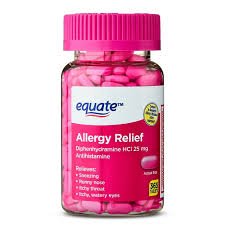
Benadryl
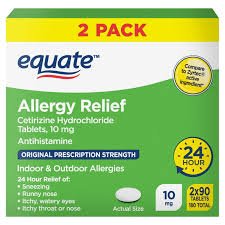
Zyrtec
Benadryl
Explore various treatment options to empower yourself in making a well-informed choice.
Choose treatments from the menu above to see how they compare side by side.
Choose treatments from the menu above to see how they compare side by side.
Choose treatments from the menu above to see how they compare side by side.

Copyright © 2025,Curbside and related marks are registered trademarks of Curbside Tech Inc.