
Pneumonia, Aspiration
Aspiration pneumonia occurs when food, liquid, saliva, or vomit is inhaled into the lungs, introducing bacteria that lead to infection. It is more common in people with impaired swallowing, altered consciousness, or conditions like stroke, dementia, or alcohol intoxication. Symptoms often include cough, fever, shortness of breath, chest pain, and sometimes foul-smelling sputum. Chest X-ray findings usually show infiltrates in dependent lung areas, such as the right lower lobe. Treatment requires antibiotics with anaerobic coverage, alongside supportive care and addressing the underlying risk factors to prevent recurrence.
AI Summary of Treatment Experiences
Not medical advice.
# Aspiration Pneumonia Treatment Summary Aspiration pneumonia is treated primarily with broad-spectrum antibiotics targeting gram-positive, gram-negative, and anaerobic organisms. Ampicillin-sulbactam is recommended as a first-line IV option with potential for oral step-down therapy. Piperacillin-tazobactam and meropenem are preferred for hospitalized or critically ill patients, especially when complications like abscess or empyema are suspected; meropenem offers a safety advantage with lower seizure risk. Levofloxacin serves as an alternative for penicillin-allergic patients and when aspiration versus community-acquired pneumonia distinction is unclear.
Treatments Shared by the Community
Explore what patients, caregivers, and clinicians have said about these treatments.
4 Treatments for Pneumonia, Aspiration
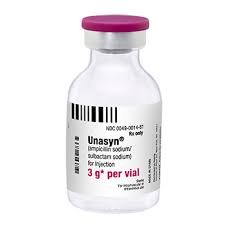
Unasyn

Levaquin
Zosyn
Merrem, Merrem IV
Explore various treatment options to empower yourself in making a well-informed choice.
Choose treatments from the menu above to see how they compare side by side.
Choose treatments from the menu above to see how they compare side by side.
Choose treatments from the menu above to see how they compare side by side.

Copyright © 2025,Curbside and related marks are registered trademarks of Curbside Tech Inc.