
Partial A1 Pulley Injury
A partial A1 pulley injury occurs when there is a tear or strain in the A1 pulley, a fibrous band that holds the flexor tendon close to the bone at the base of the finger. This pulley helps guide the tendon during finger movement. Injury can result from repetitive gripping, forceful flexion (such as in climbing or lifting), or trauma. Symptoms may include pain or tenderness over the base of the finger, mild swelling, and a catching or snapping sensation during movement. Unlike a complete rupture, a partial injury maintains some tendon stability, but it may still limit function and lead to irritation or inflammation of the tendon sheath (tenosynovitis). Treatment is typically conservative—rest, splinting, anti-inflammatory medications, and sometimes physical therapy—with surgery rarely needed unless symptoms persist.
AI Summary of Treatment Experiences
Not medical advice.
# Treatment Summary for Partial A1 Pulley Injury Based on reviewer feedback, the treatment landscape centers on conservative approaches. **Ibuprofen** serves as a first-line option for reducing inflammation and pain, particularly during flare-ups, though reviewers note it works best when combined with other interventions. **Splinting** is highlighted as an effective conservative first-line treatment that limits joint motion to reduce strain on the injured pulley while facilitating safe tendon healing. Reviewers emphasize that combining anti-inflammatory medication with splinting, rest, and activity modification yields the best results.

Treatments Shared by the Community
Explore what patients, caregivers, and clinicians have said about these treatments.
2 Treatments for Partial A1 Pulley Injury

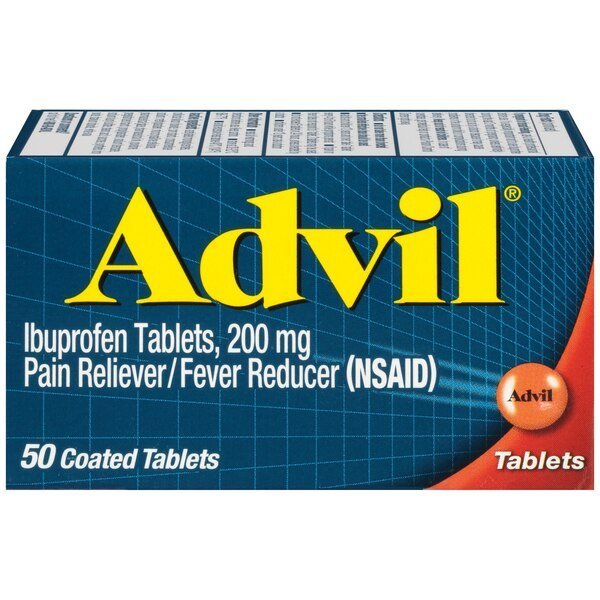
Explore various treatment options to empower yourself in making a well-informed choice.
Choose treatments from the menu above to see how they compare side by side.
Choose treatments from the menu above to see how they compare side by side.
Choose treatments from the menu above to see how they compare side by side.

Copyright © 2025,Curbside and related marks are registered trademarks of Curbside Tech Inc.