
Pain
Pain is a complex sensory and emotional experience that signals potential or actual tissue damage. It can be classified as acute or chronic, nociceptive or neuropathic, and is often a primary symptom of underlying medical conditions. When persistent or unexplained, pain itself may be diagnosed as a medical condition, such as chronic pain syndrome or neuropathic pain disorder.
AI Summary of Treatment Experiences
Not medical advice.
# Pain Treatment Summary Based on reviewer feedback, the pain treatment landscape includes several tiers: **first-line NSAIDs** (Ibuprofen, Naproxen, Ketorolac) are highly rated for inflammation and various pain types but carry GI and kidney risks; **acetaminophen** is favored for mild-to-moderate pain without GI side effects but lacks anti-inflammatory properties. For moderate pain not controlled by these, **tramadol** and **gabapentin** (especially for neuropathic pain) serve as middle-ground options with different side effect profiles. **Opioid combinations** (hydrocodone, codeine, oxycodone with acetaminophen) are reserved for severe acute pain but require caution due to dependence and misuse risks. Treatment selection depends on pain severity, type, and individual patient risk factors.

Treatments Shared by the Community
Explore what patients, caregivers, and clinicians have said about these treatments.
11 Treatments for Pain

Toradol
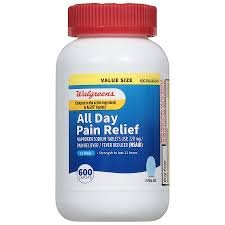
Naprosyn

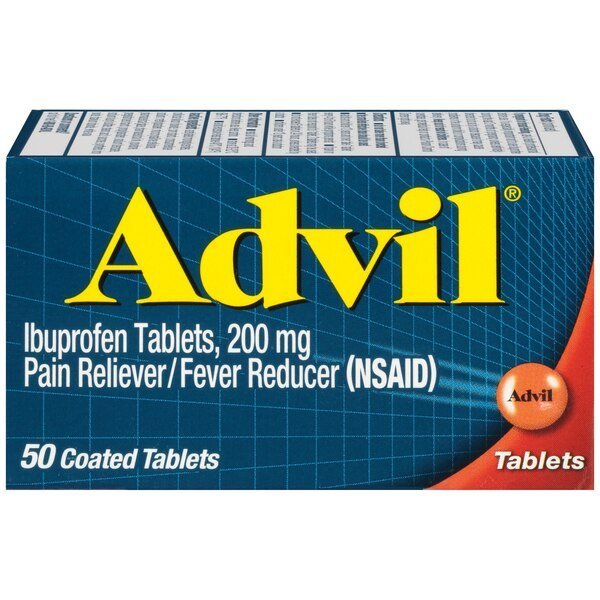
Motrin
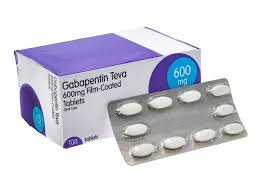
Neurontin, Gralise, Horizont
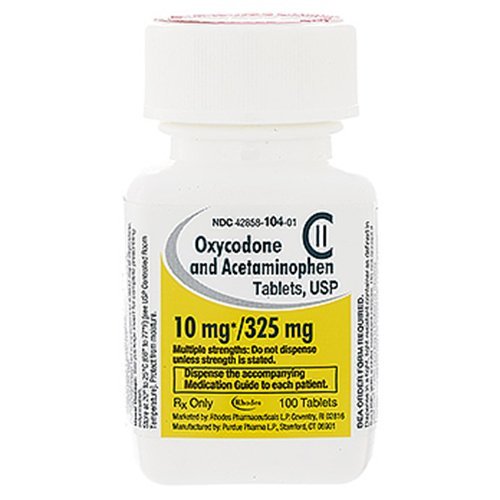
Percocet, Roxicet
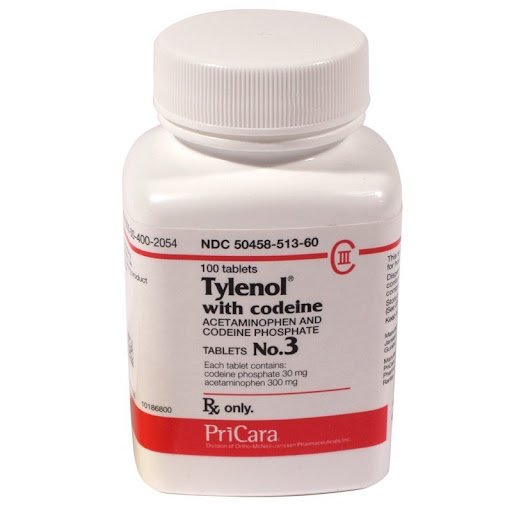
Tylenol with codeine, Tylenol #3
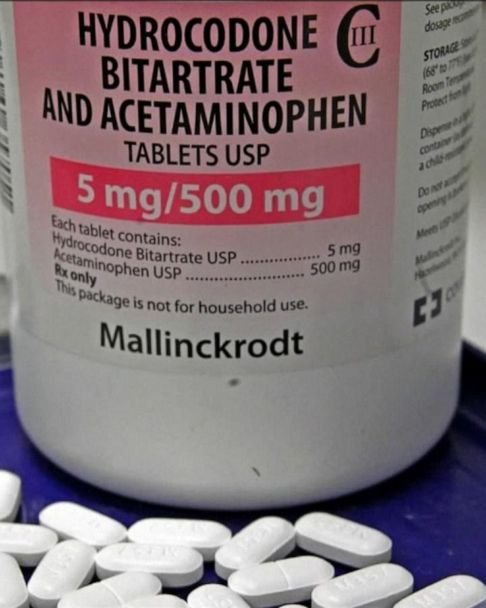
Vicodin, Norco, Lortab
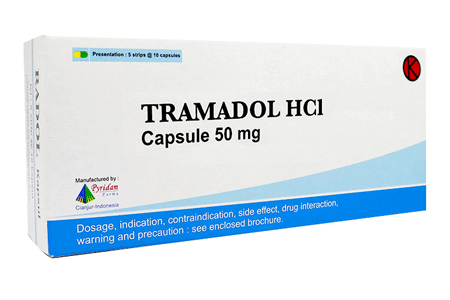
Ultram

Journavc
Explore various treatment options to empower yourself in making a well-informed choice.
Choose treatments from the menu above to see how they compare side by side.
Choose treatments from the menu above to see how they compare side by side.
Choose treatments from the menu above to see how they compare side by side.

Copyright © 2025,Curbside and related marks are registered trademarks of Curbside Tech Inc.