
Back Pain
Back Pain refers to discomfort or pain originating from the muscles, ligaments, tendons, bones, or joints in the back. This type of pain is often caused by strain, injury, or overuse of these structures. It can range from a dull, constant ache to a sudden, sharp pain, and may be localized to a specific area of the back or spread across a broader region.
Common causes include poor posture, heavy lifting, repetitive motions, or sudden movements that strain the back muscles and ligaments. Musculoskeletal back pain can also be associated with conditions such as muscle spasms, herniated discs, arthritis, or degenerative disc disease.
Symptoms often include stiffness, limited range of motion, muscle tightness, and tenderness in the affected area. The pain may worsen with movement or after prolonged periods of inactivity, such as sitting or standing for long periods.
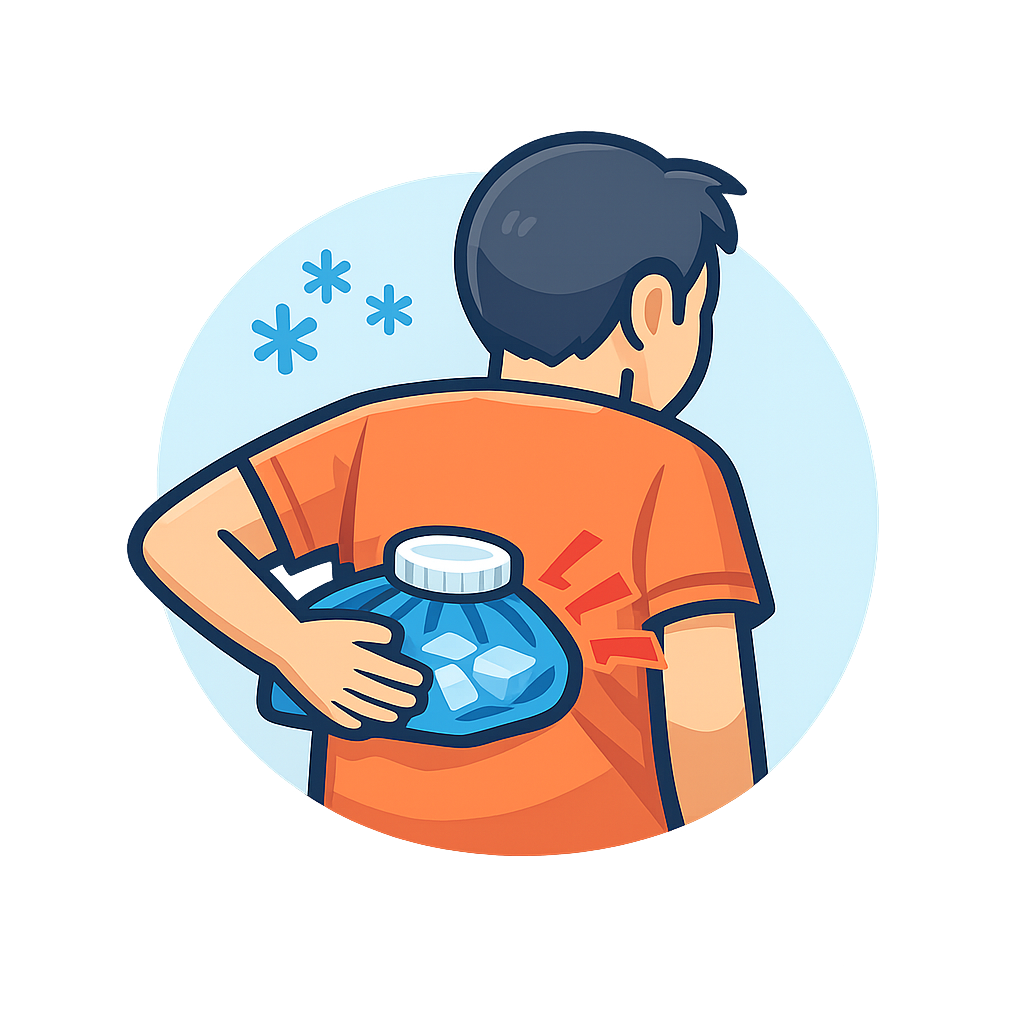
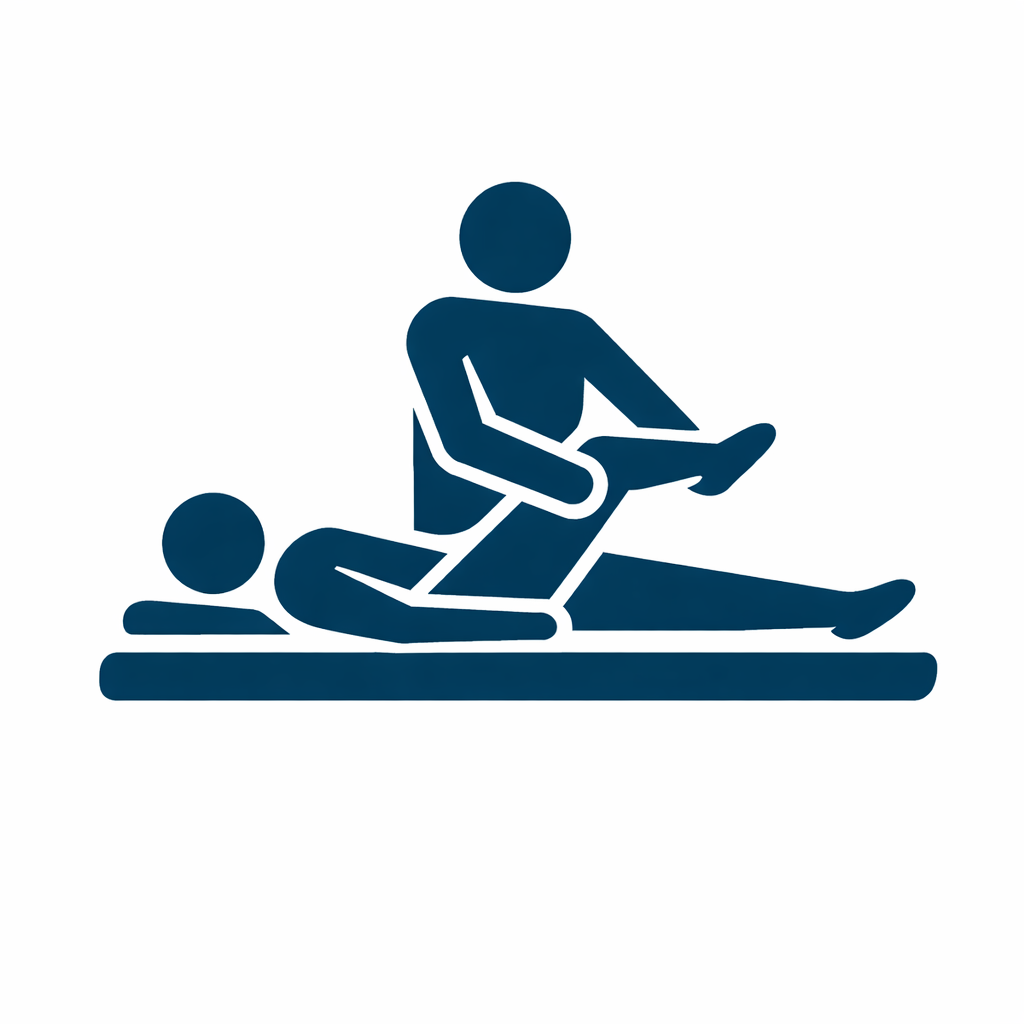
Treatment typically involves rest, physical therapy, pain management through medications or hot/cold therapy, and exercises to strengthen the back muscles and improve flexibility. In some cases, lifestyle modifications, such as improving posture or ergonomics, are recommended to prevent recurrence.
AI Summary of Treatment Experiences
Not medical advice.
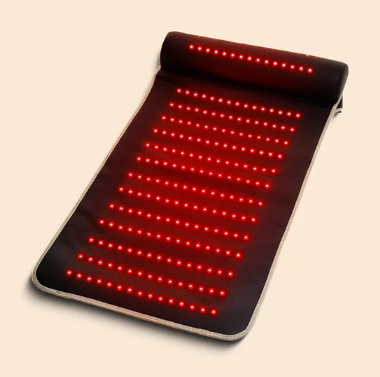
# Back Pain Treatment Summary Reviewers recommend **Physical Therapy** as the best long-term option, addressing muscle imbalances rather than just the back itself. For acute pain, **Heat/Cold Therapy alternation**, **Stretching**, and **NSAIDs like Ibuprofen** are highly rated for quick relief. **Non-invasive options** like Red Light Therapy, Lidocaine Patches, and TENS units offer alternative relief with minimal side effects, though results vary. **Narcotic combinations** (Hydrocodone-Acetaminophen) are considered only after other treatments fail due to dependence risks, while **Cyclobenzaprine** is useful short-term for muscle spasms alongside physical therapy.
Treatments Shared by the Community
Explore what patients, caregivers, and clinicians have said about these treatments.
14 Treatments for Back Pain
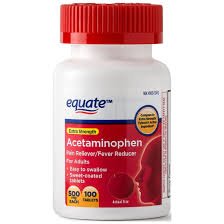
Tylenol, Paracetamol
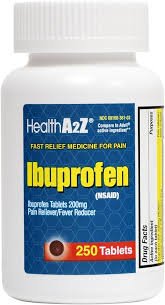
Advil

Warm Therapy
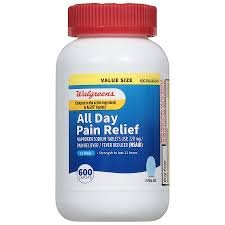
Aleve
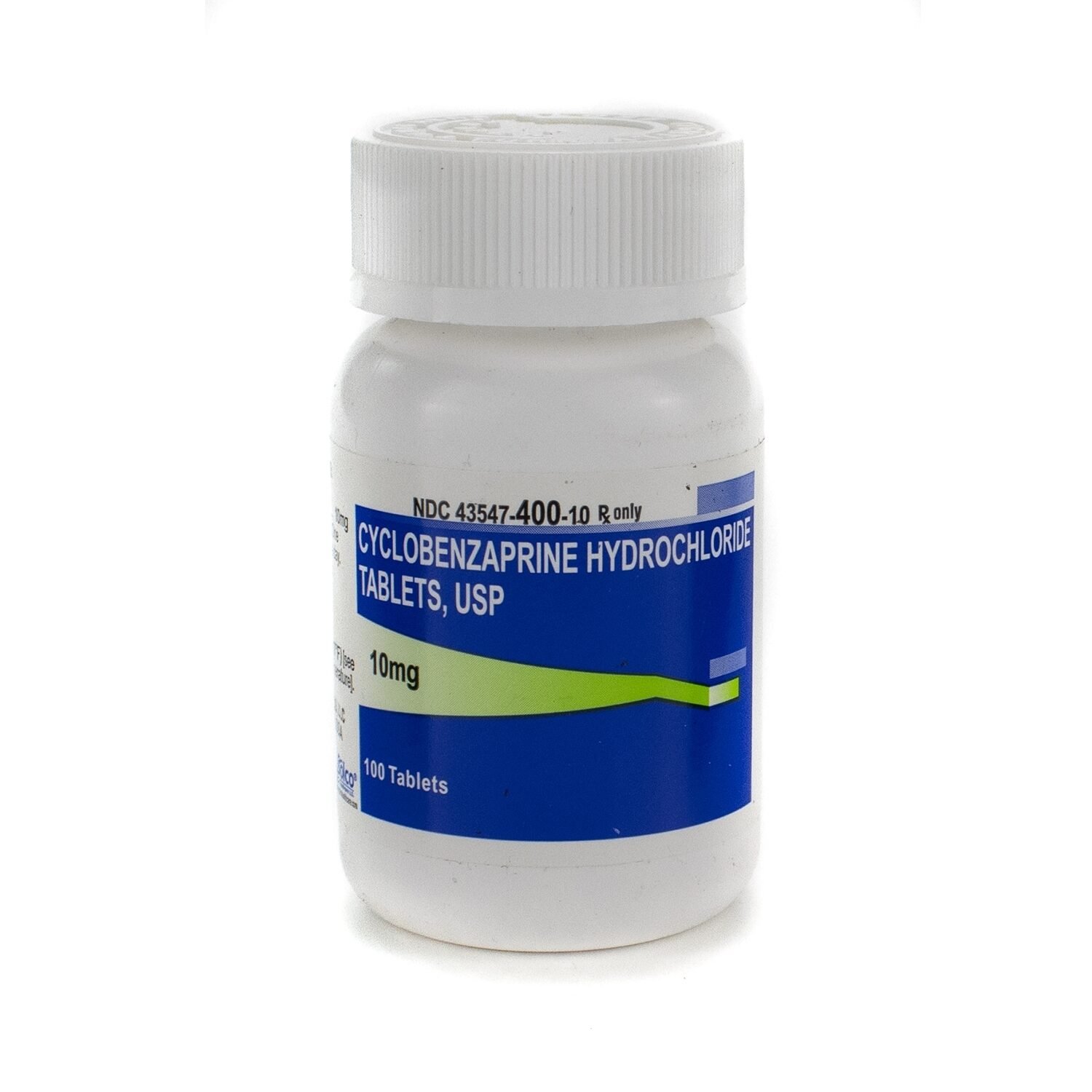
Flexeril
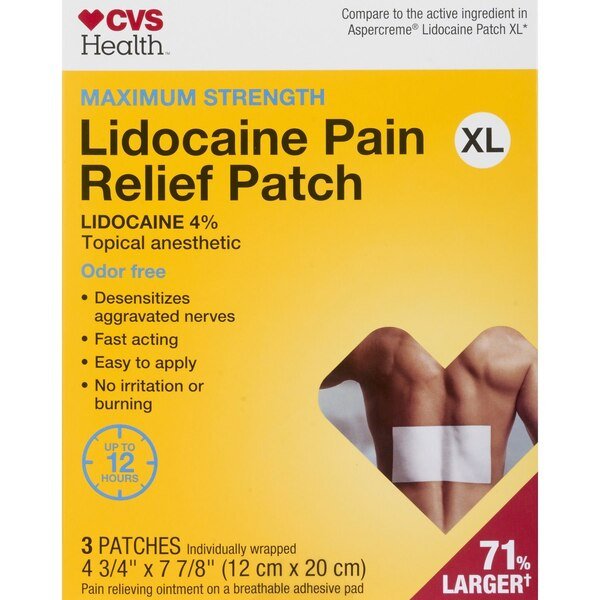
Lidoderm (prescription, 5%) ZTlido (prescription, 1.8%) LidoPro (prescription) Aspercreme Lidocaine Patch, Salonpas Lidocaine (OTC, 4%)
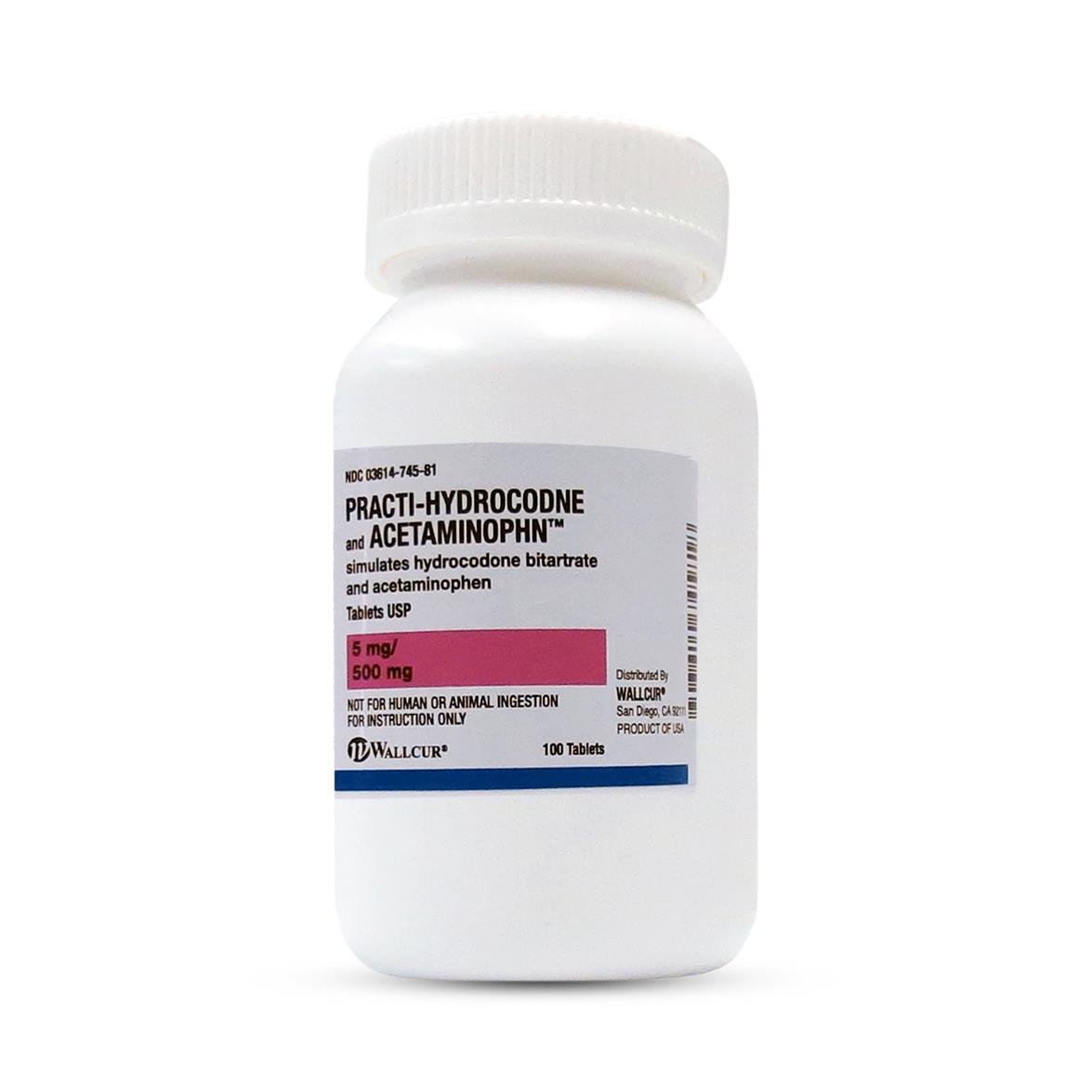
Vicodin, Norco
Explore various treatment options to empower yourself in making a well-informed choice.
Choose treatments from the menu above to see how they compare side by side.
Choose treatments from the menu above to see how they compare side by side.
Choose treatments from the menu above to see how they compare side by side.
Copyright © 2025,Curbside and related marks are registered trademarks of Curbside Tech Inc.