
Fever
Pyrexia
A fever (pyrexia) is a temporary increase in body temperature above the normal range, usually 100.4°F (38°C) or higher. It is a natural immune response to infection, inflammation, or other underlying conditions.
Low-Grade Fever: 100.4°F – 102°F (38°C – 38.9°C)
Moderate Fever: 102°F – 103.9°F (38.9°C – 39.9°C)
High Fever (Hyperpyrexia): 104°F (40°C) or higher – Requires urgent medical attention.
AI Summary of Treatment Experiences
Not medical advice.
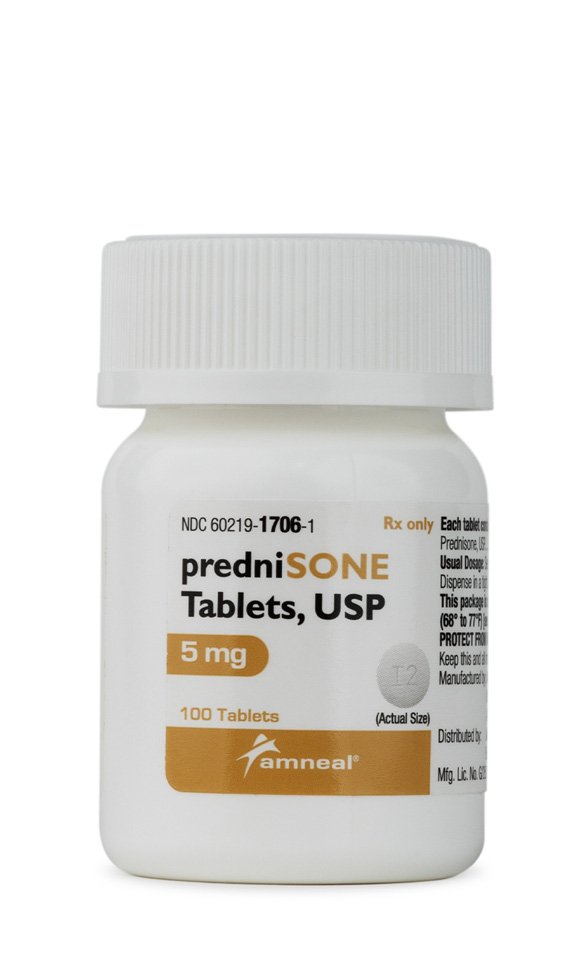
# Treatment Summary for Fever Based on reviewer feedback, **Acetaminophen and Ibuprofen are the preferred first-line medications** (both rated 5/5), with alternating use recommended for better fever control. **Hydration** (rated 5/5) is emphasized as essential supportive care to prevent dehydration, though it doesn't directly treat fever. **Physical cooling methods** (rated 4/5) serve as a reasonable backup option when medications aren't responding. **Prednisone** (rated 3/5) is reserved only for fever caused by inflammatory or autoimmune conditions due to immune suppression risks. Importantly, all reviewers note that these treatments manage fever symptoms but don't address underlying infections.

Treatments Shared by the Community
Explore what patients, caregivers, and clinicians have said about these treatments.
6 Treatments for Fever

Motrin
Tylenol
Voltarol, Dicloflex, Diclomax, Econac, Motifene
Explore various treatment options to empower yourself in making a well-informed choice.
Choose treatments from the menu above to see how they compare side by side.
Choose treatments from the menu above to see how they compare side by side.
Choose treatments from the menu above to see how they compare side by side.

Copyright © 2025,Curbside and related marks are registered trademarks of Curbside Tech Inc.