
Depression
Depression is more than just feeling sad. It’s a health condition that makes people feel very down, tired, or hopeless for a long time. It can make it hard to enjoy things, focus in school, sleep well, or even eat like usual. People with depression might feel like they don’t matter or that things won’t get better — even if others try to help. The good news is that depression can be treated with therapy, medicine, and support from family and friends.
AI Summary of Treatment Experiences
Not medical advice.
Based on the submitted reviews, the depression treatment landscape includes several first-line options. SSRIs such as Fluoxetine, Escitalopram, and Sertraline are highlighted as preferred choices, with Escitalopram noted for its clean side effect profile and minimal drug interactions, Fluoxetine valued for its long half-life and activating properties, and Sertraline praised for balanced efficacy and tolerability across multiple conditions including anxiety and PTSD. Cognitive Behavioral Therapy is identified as a first-line treatment effective alone or combined with medication. Additional treatment options listed include Esketamine, FL-100, Electroconvulsive Therapy, and Transcranial Magnetic Stimulation, though no review details are provided for these approaches.

Treatments Shared by the Community
Explore what patients, caregivers, and clinicians have said about these treatments.
6 Treatments for Depression
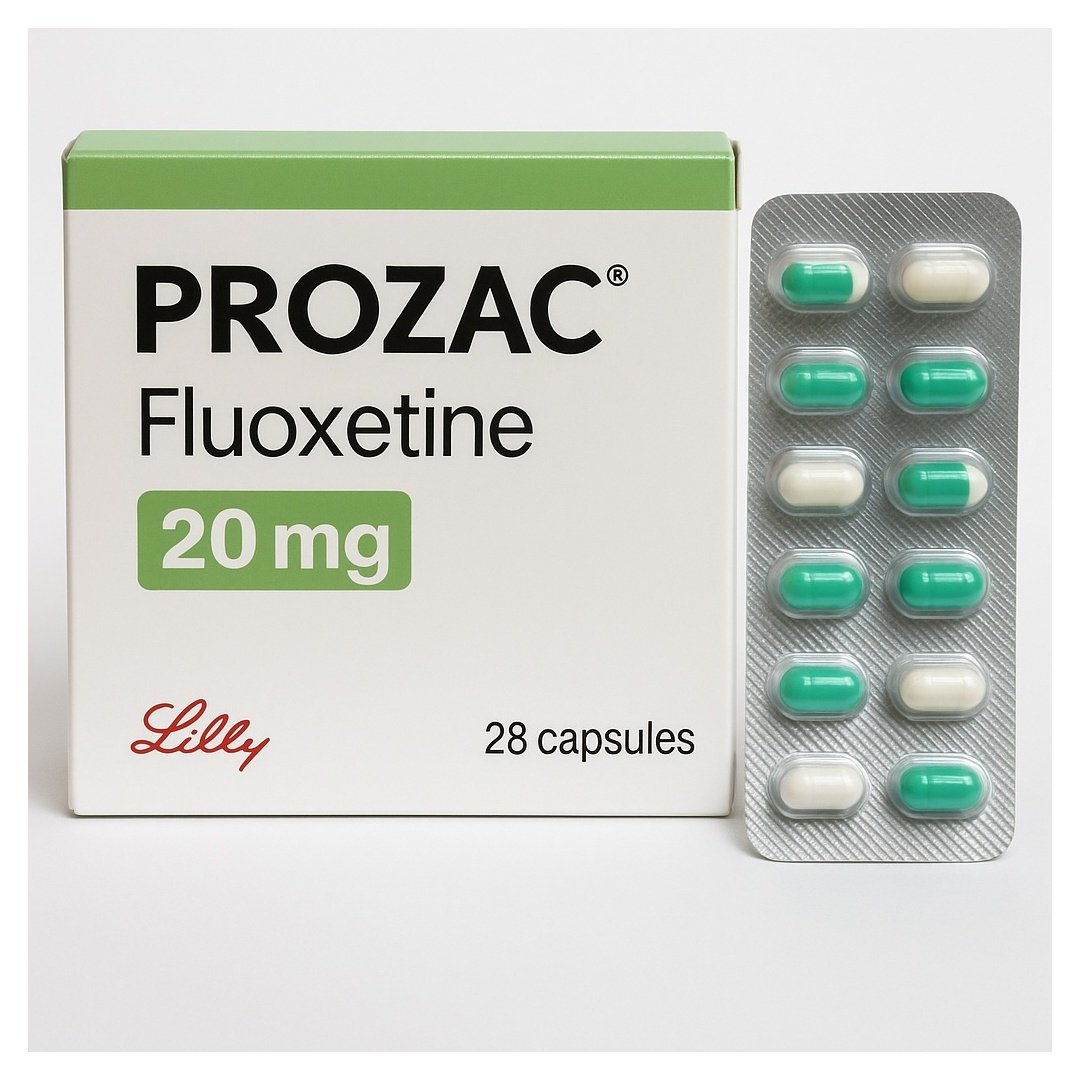
Prozac
Lexapro
Zoloft

Explore various treatment options to empower yourself in making a well-informed choice.
Choose treatments from the menu above to see how they compare side by side.
Choose treatments from the menu above to see how they compare side by side.
Choose treatments from the menu above to see how they compare side by side.

Copyright © 2025,Curbside and related marks are registered trademarks of Curbside Tech Inc.