
Deep Venous Thrombosis
DVT
Deep Venous Thrombosis (DVT) is the formation of a blood clot in a deep vein, most often in the legs. It can cause leg pain, swelling, redness, or warmth, but sometimes occurs with few or no symptoms. The biggest concern is that part of the clot can break off and travel to the lungs, causing a pulmonary embolism, which can be life-threatening. Risk factors include prolonged immobility, recent surgery, cancer, pregnancy, and certain inherited clotting disorders. Treatment usually involves blood thinners to prevent clot growth and reduce the risk of complications.
AI Summary of Treatment Experiences
Not medical advice.
# Deep Venous Thrombosis Treatment Summary Modern Factor Xa inhibitors like **Rivaroxaban** and **Apixaban** are preferred first-line treatments, offering strong efficacy, lower bleeding risk than older agents, and no need for routine blood monitoring. **Enoxaparin** serves as an effective bridging therapy via twice-daily injection before transitioning to oral anticoagulants. **Warfarin**, an older option, requires regular blood monitoring and bridging therapy, making it less convenient than newer agents. **IVC filters** are reserved only for patients who cannot tolerate anticoagulation or have treatment-refractory clots, as they prevent complications but do not treat the clot itself.
Treatments Shared by the Community
Explore what patients, caregivers, and clinicians have said about these treatments.
5 Treatments for Deep Venous Thrombosis
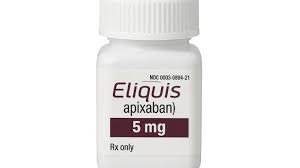
Eliquis
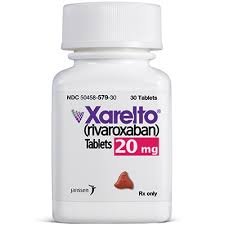
Xarelto

Lovenox
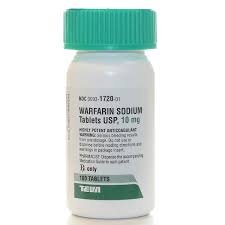
Coumadin
IVC Filter
Explore various treatment options to empower yourself in making a well-informed choice.
Choose treatments from the menu above to see how they compare side by side.
Choose treatments from the menu above to see how they compare side by side.
Choose treatments from the menu above to see how they compare side by side.

Copyright © 2025,Curbside and related marks are registered trademarks of Curbside Tech Inc.