
Bronchitis
Bronchitis is inflammation of the bronchial tubes, leading to coughing, mucus production, chest discomfort, and sometimes shortness of breath. Acute bronchitis is usually viral and resolves in a few weeks, while chronic bronchitis—often from smoking—is a long-term condition lasting months or years. Symptoms include a productive cough, fatigue, mild fever, and wheezing.
Treatment focuses on symptom relief, and in chronic cases, may include inhalers, steroids, or pulmonary rehab with a strong emphasis on avoiding unnecessary antibiotics use unless a bacterial infection is unsuspected.
AI Summary of Treatment Experiences
Not medical advice.
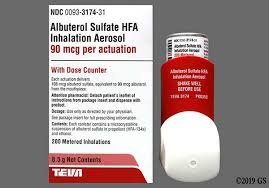
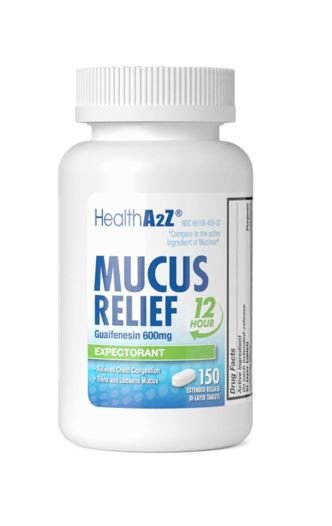
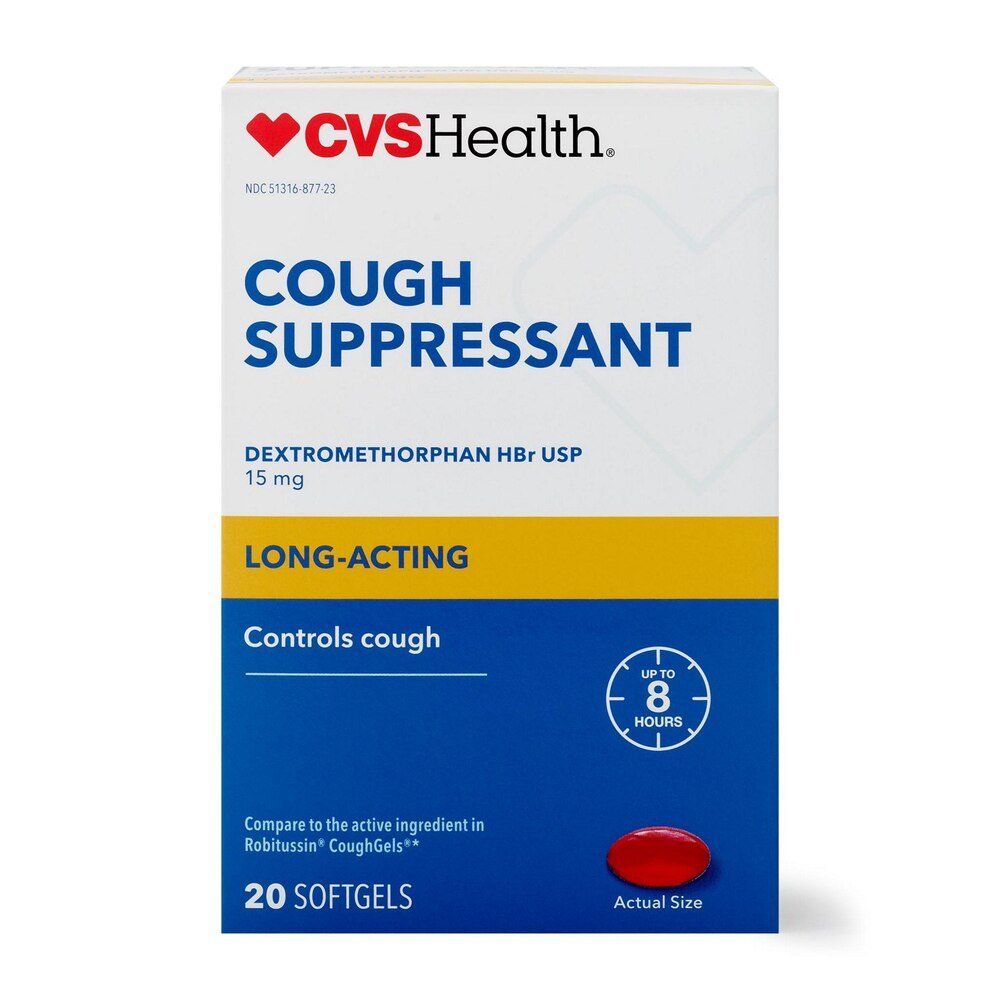
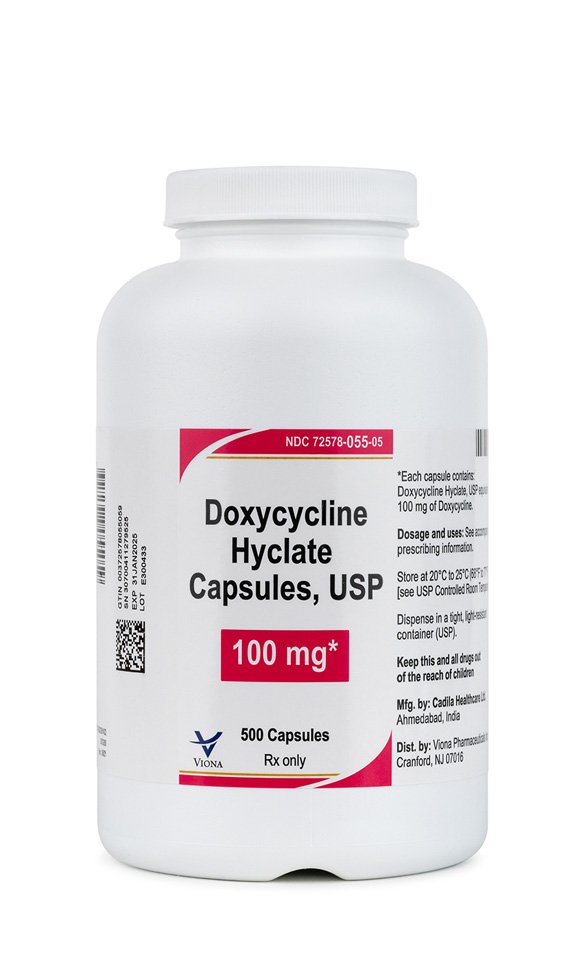
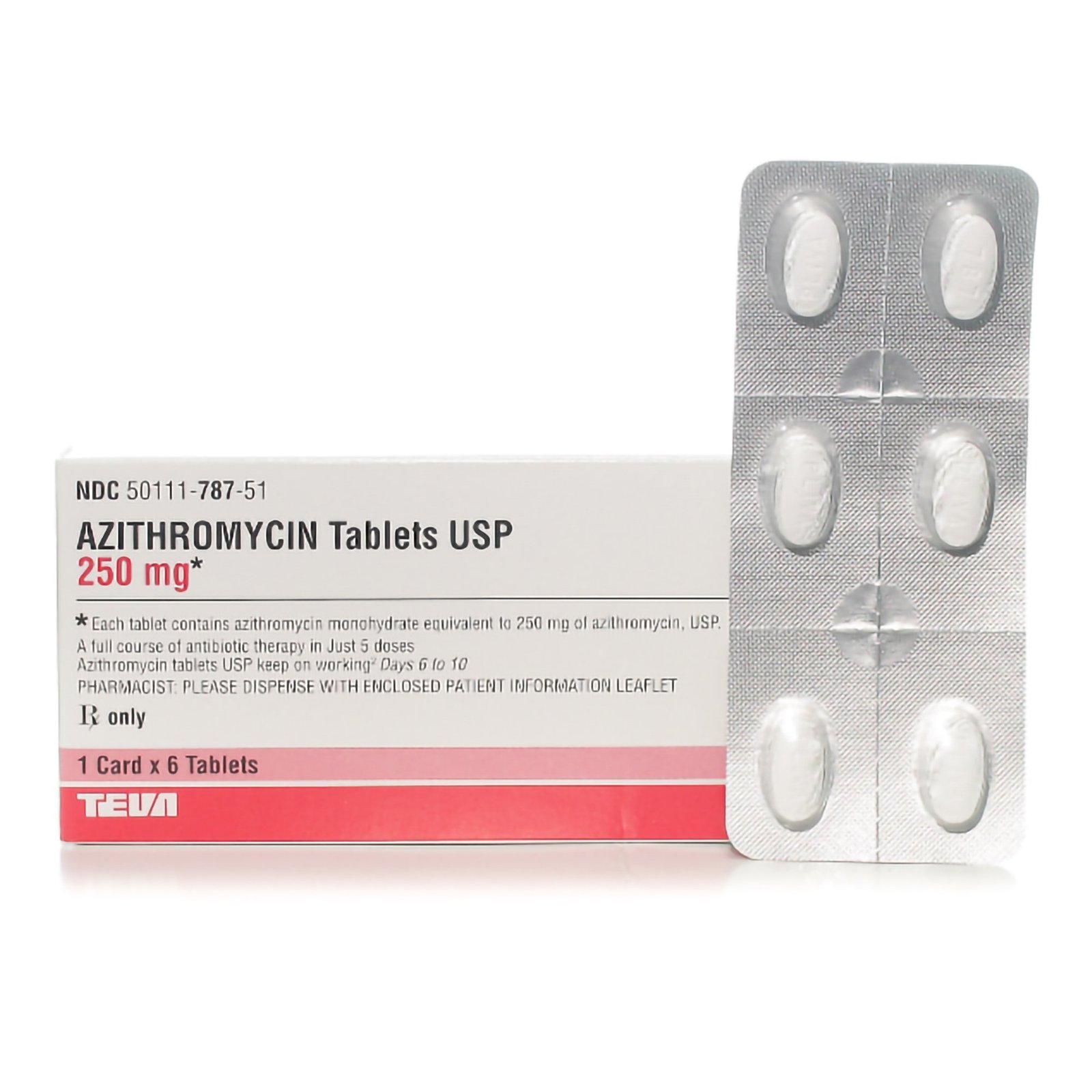
# Bronchitis Treatment Summary Based on reviewer feedback, the treatment landscape for bronchitis emphasizes both symptomatic relief and selective bacterial coverage. First-line options for cough management include dextromethorphan (OTC cough suppressant), guaifenesin (expectorant to clear mucus), and benzonatate (non-narcotic cough suppressant), all rated highly for comfort and symptom control. Albuterol is recommended when bronchospasm is present, particularly in patients with reactive airway disease. For suspected bacterial components—especially in high-risk patients with COPD or prolonged symptoms—azithromycin or doxycycline may be considered, though neither is routinely prescribed. Promethazine with codeine is reserved for severe cases due to dependence and respiratory risks.
Treatments Shared by the Community
Explore what patients, caregivers, and clinicians have said about these treatments.
8 Treatments for Bronchitis
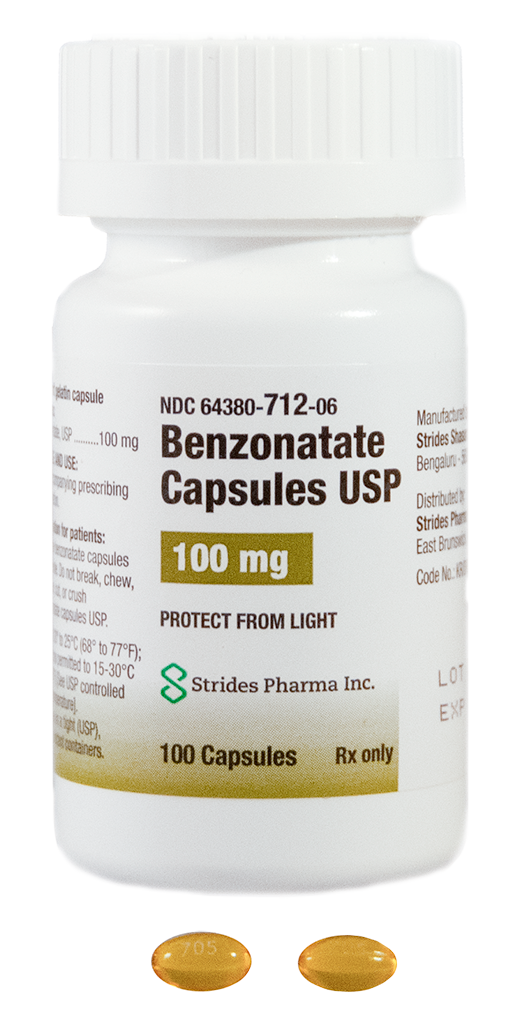
Tessalon Perles

Explore various treatment options to empower yourself in making a well-informed choice.
Choose treatments from the menu above to see how they compare side by side.
Choose treatments from the menu above to see how they compare side by side.
Choose treatments from the menu above to see how they compare side by side.

Copyright © 2025,Curbside and related marks are registered trademarks of Curbside Tech Inc.