
Allergic Conjunctivitis
Allergic conjunctivitis is when your eyes get red, itchy, and watery because they’re having an allergic reaction — kind of like when your nose gets stuffy or you sneeze a lot from pollen, dust, or pet dander. It happens when something like pollen or animal fur gets into your eye and your body thinks it’s dangerous (even though it’s not). So your body fights back, and that makes your eyes swollen, red, and itchy.
It’s not contagious (you can’t catch it from someone else), and it usually goes away when you stop being around the thing you’re allergic to or use special eye drops.
AI Summary of Treatment Experiences
Not medical advice.
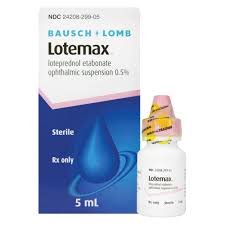
The treatment landscape for allergic conjunctivitis includes both over-the-counter and prescription options. First-line treatments like azelastine hydrochloride 0.05% provide rapid, long-lasting relief with antihistamine and mast cell-stabilizing effects. For mild to moderate symptoms, ketotifen is a cost-effective OTC choice. Olopatadine, while more expensive, offers stronger and longer-lasting relief for severe cases. Loteprednol etabonate ophthalmic suspension 0.5% serves as an effective second-line therapy with a lower risk of steroid-related complications compared to traditional corticosteroids, but at a higher cost.
Treatments Shared by the Community
Explore what patients, caregivers, and clinicians have said about these treatments.
5 Treatments for Allergic Conjunctivitis
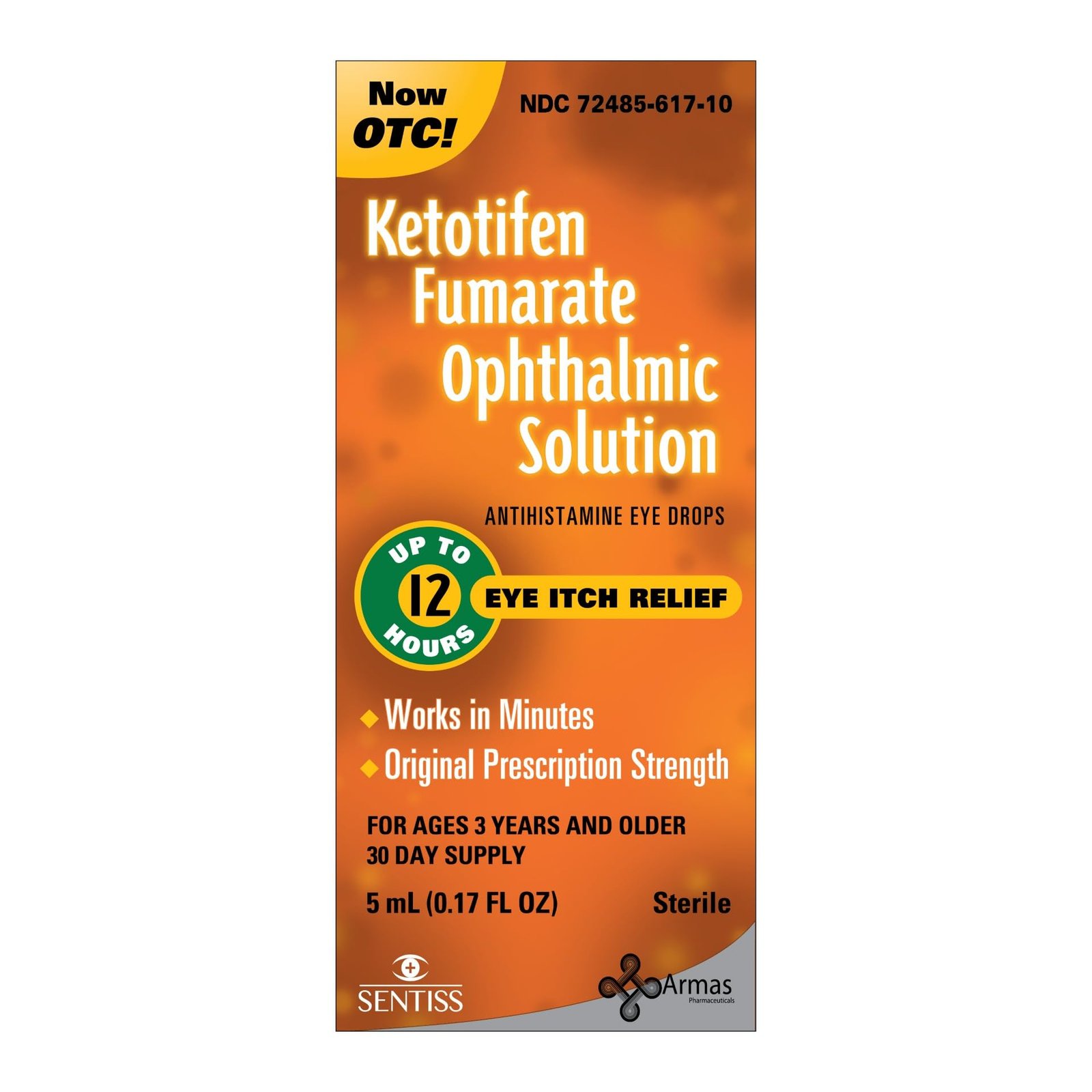
Zaditor, Alaway
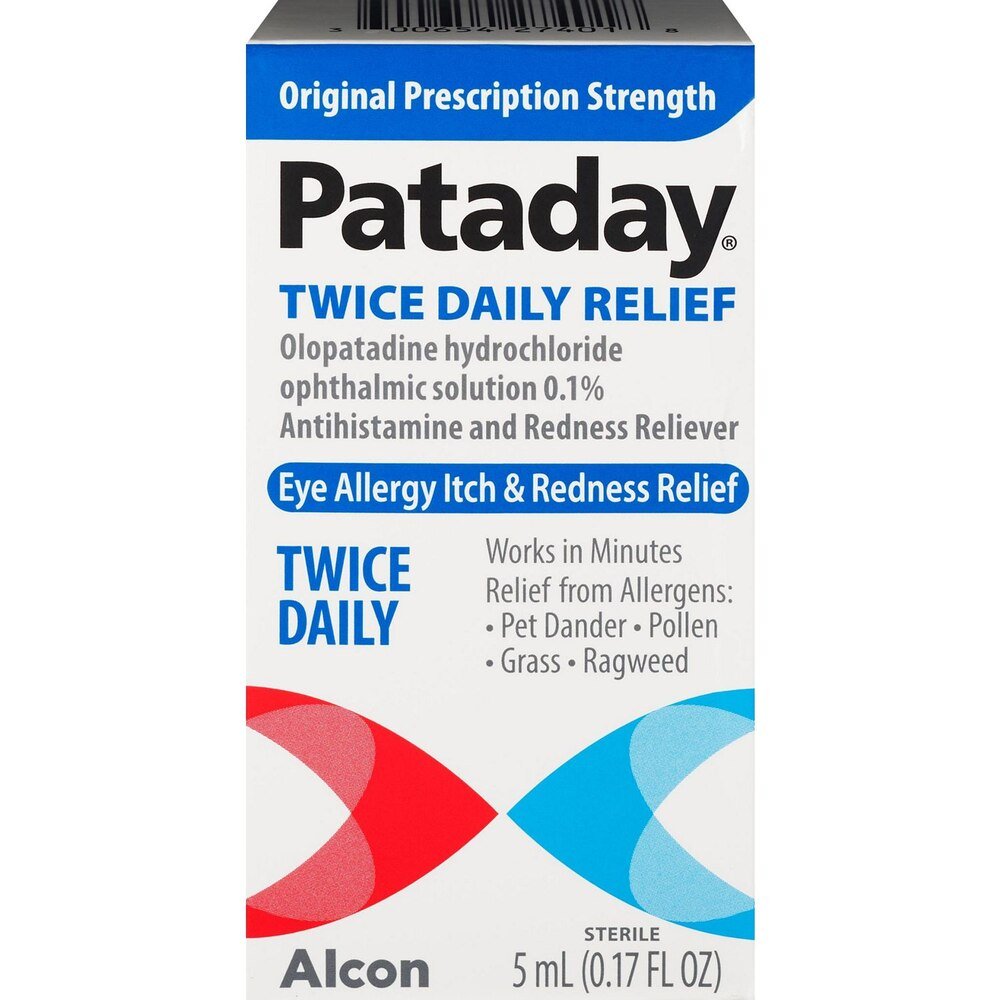
Patanol, Pataday
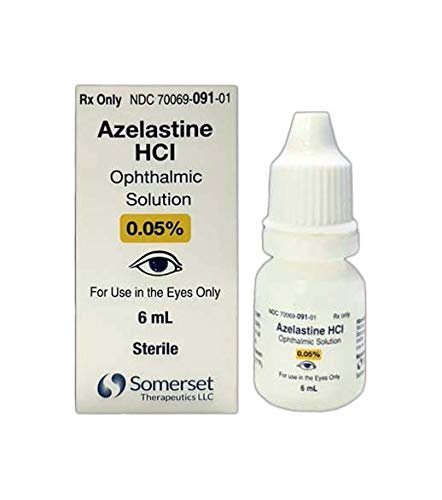
Optivar
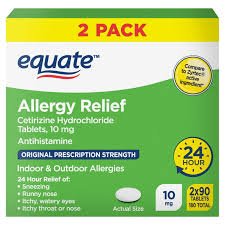
Zyrtec
Explore various treatment options to empower yourself in making a well-informed choice.
Choose treatments from the menu above to see how they compare side by side.
Choose treatments from the menu above to see how they compare side by side.
Choose treatments from the menu above to see how they compare side by side.

Copyright © 2025,Curbside and related marks are registered trademarks of Curbside Tech Inc.