
Abscess
An abscess is a pocket of pus that forms when the body fights off an infection, most often caused by bacteria. It appears as a swollen, red, warm, and painful lump, and may sometimes cause fever or general illness if the infection spreads. Abscesses can occur on the skin, around the gums, or deeper inside the body in organs or tissues. Treatment usually involves draining the pus and, in some cases, antibiotics to fully clear the infection.
AI Summary of Treatment Experiences
Not medical advice.
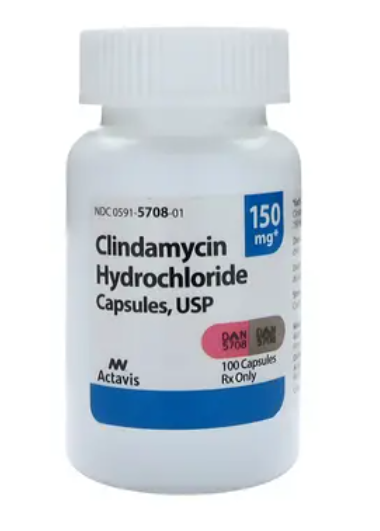
# Abscess Treatment Summary Incision and drainage (I&D) is the first-line treatment, providing the quickest resolution and rapid symptom relief by releasing pus, though antibiotics alone are insufficient. For antibiotic coverage, Trimethoprim-Sulfamethoxazole (Bactrim) and Doxycycline are preferred for MRSA infections, while Clindamycin offers broader coverage but is reserved for penicillin-allergic patients due to C. difficile risk. Warm compresses serve as a less definitive alternative for small abscesses when combined with antibiotics, requiring consistent use over several days but avoiding the pain of I&D.

Treatments Shared by the Community
Explore what patients, caregivers, and clinicians have said about these treatments.
5 Treatments for Abscess

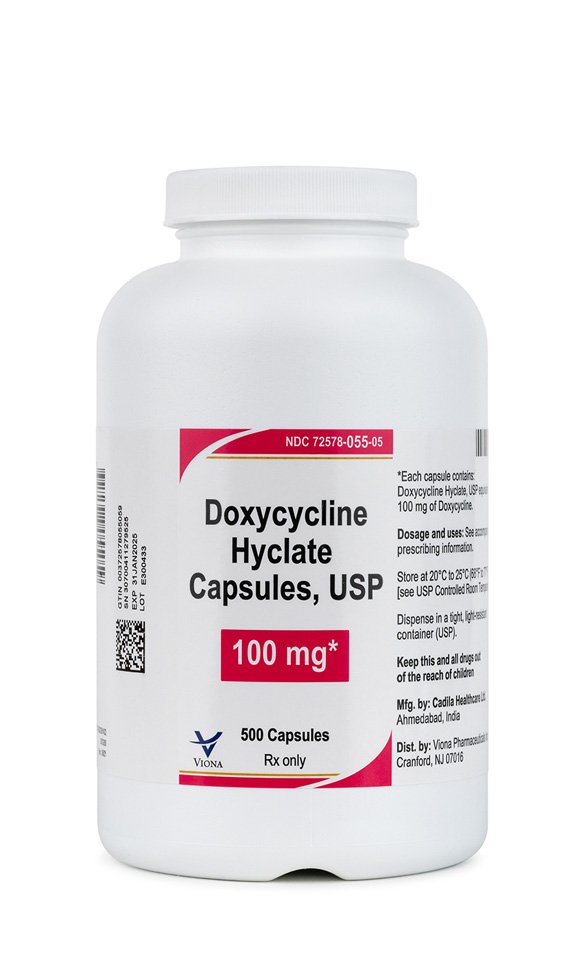
Vibramycin , Adoxa, Doryx
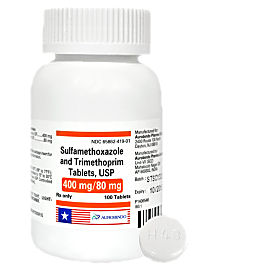
Bactrim, TMP-SMX
Explore various treatment options to empower yourself in making a well-informed choice.
Choose treatments from the menu above to see how they compare side by side.
Choose treatments from the menu above to see how they compare side by side.
Choose treatments from the menu above to see how they compare side by side.

Copyright © 2025,Curbside and related marks are registered trademarks of Curbside Tech Inc.