
Acute Mountain Sickness
AMS, High Altitude Sickness
High-altitude sickness, or acute mountain sickness occurs when people ascend rapidly to elevations above about 8,000 feet (2,500 meters), where the air has significantly less oxygen. The body reacts to this hypoxia with symptoms such as headache, dizziness, fatigue, loss of appetite, and disturbed sleep. It results from decreased oxygen pressure causing fluid shifts and mild swelling in the brain and lungs. Risk increases with faster ascent, higher altitude, dehydration, or exertion before acclimatization. Severe forms—high-altitude cerebral or pulmonary edema—reflect dangerous fluid accumulation in the brain or lungs due to the body’s inability to adapt to low oxygen levels.
AI Summary of Treatment Experiences
Not medical advice.
# Treatment Summary for Acute Mountain Sickness Descending to lower altitude is the fastest and most effective treatment, with even modest descents of 500-1,000 meters quickly relieving symptoms. Acetazolamide is most valuable as a preventive medication started before ascent to aid acclimatization and reduce symptom severity. Dexamethasone provides potent short-term symptom control for moderate-to-severe cases by reducing brain swelling, though it doesn't aid acclimatization. Supplemental oxygen rapidly relieves symptoms by reversing hypoxia, with temporary availability at some high-altitude ski resorts. Together, these treatments address both prevention and acute symptom management depending on disease severity and timing.

Treatments Shared by the Community
Explore what patients, caregivers, and clinicians have said about these treatments.
4 Treatments for Acute Mountain Sickness

Diamox
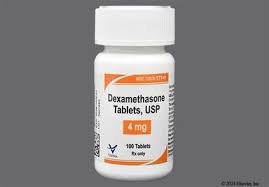
Decadron
Explore various treatment options to empower yourself in making a well-informed choice.
Choose treatments from the menu above to see how they compare side by side.
Choose treatments from the menu above to see how they compare side by side.
Choose treatments from the menu above to see how they compare side by side.

Copyright © 2025,Curbside and related marks are registered trademarks of Curbside Tech Inc.