
Clavicle Fracture
A clavicle fracture is a break in the collarbone, the long bone that connects the sternum (breastbone) to the shoulder. It usually occurs after a fall onto the shoulder, a direct blow to the area, or a fall onto an outstretched hand. Symptoms include pain, swelling, and bruising over the collarbone, as well as difficulty moving the arm, a visible bump or deformity, and sometimes a grinding feeling with movement.
Most clavicle fractures heal with conservative treatment such as a sling, pain control, and physical therapy, though severe or displaced fractures may require surgical fixation with plates or screws. Healing typically takes 6–12 weeks depending on the patient’s age, health, and the severity of the fracture.
AI Summary of Treatment Experiences
Not medical advice.
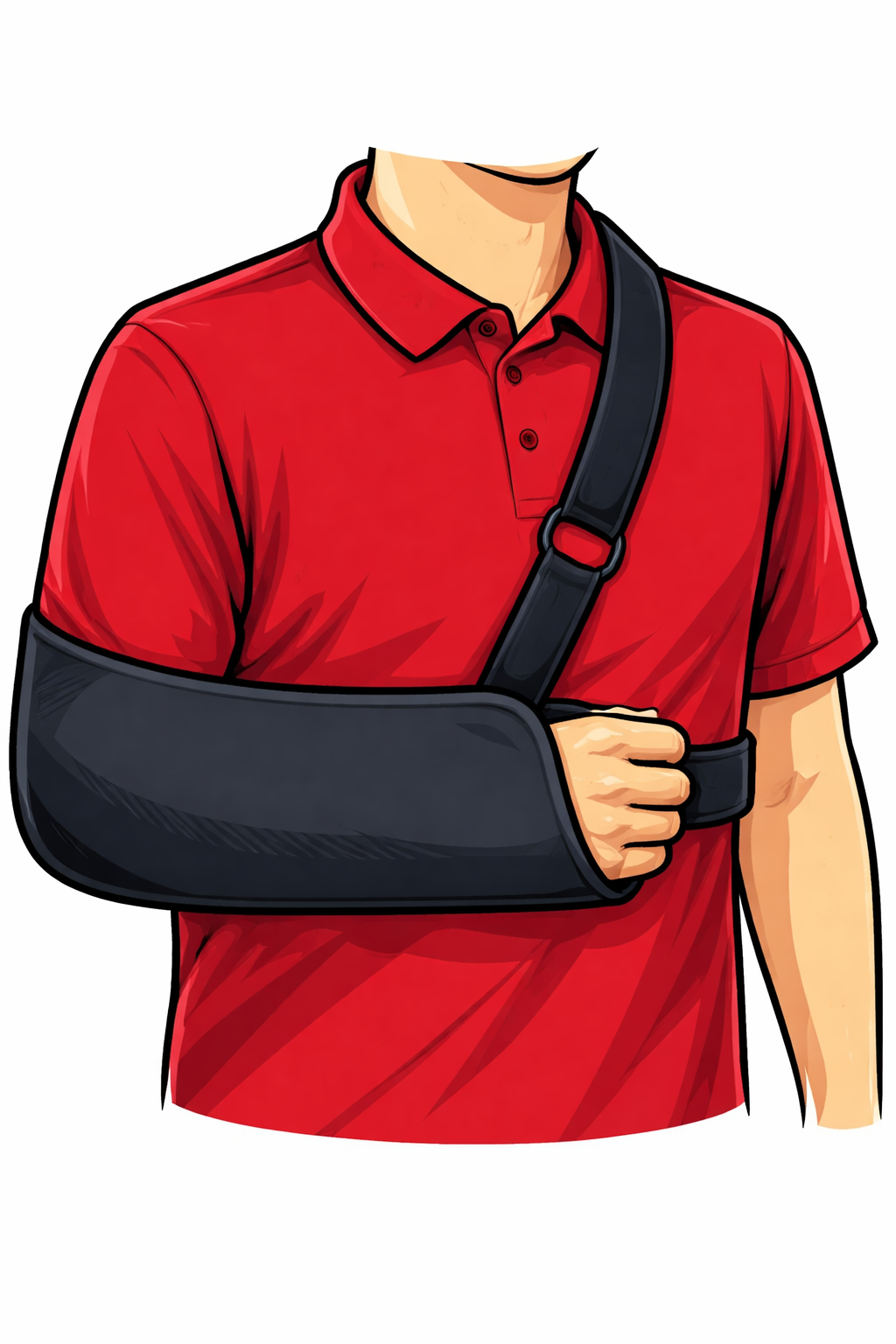
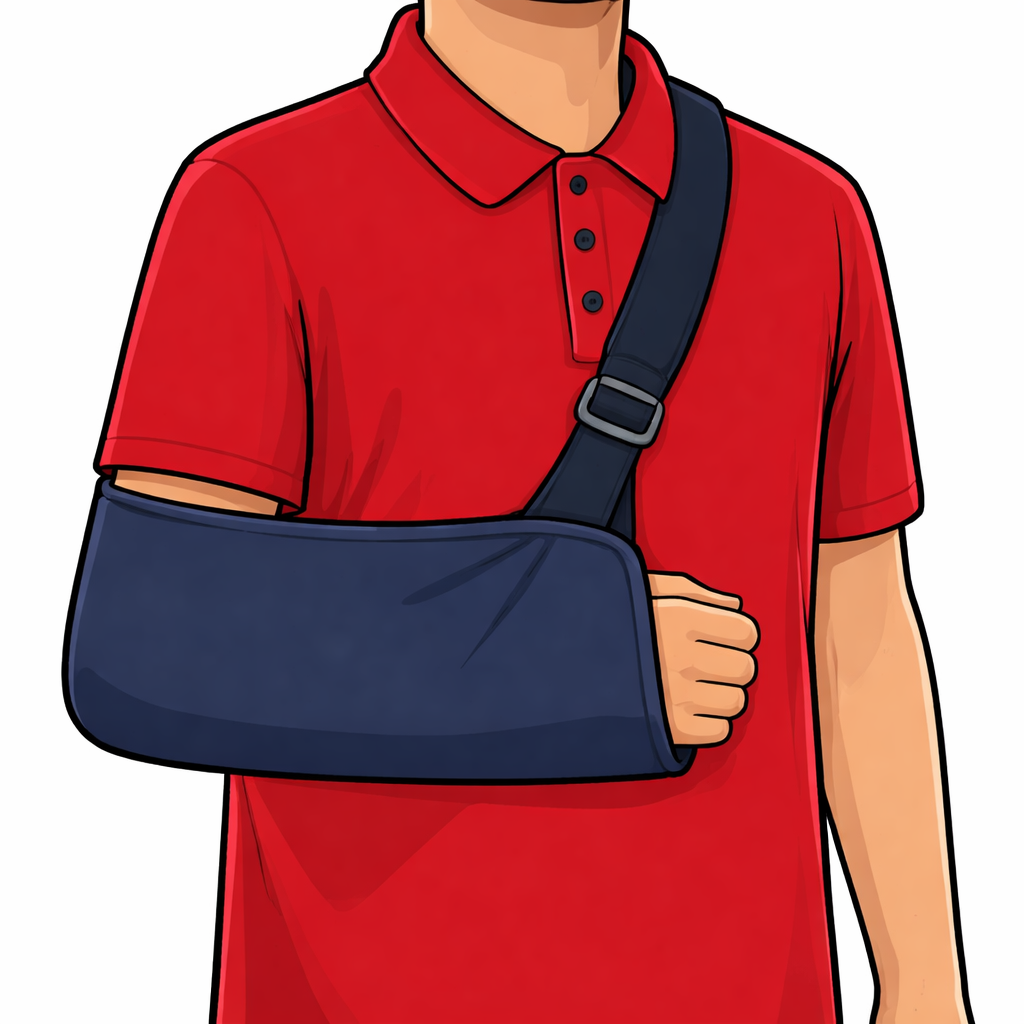
# Clavicle Fracture Treatment Summary A shoulder immobilizer is the primary first-line treatment for most clavicle fractures, keeping the arm and shoulder still to reduce pain and promote proper bone healing without requiring surgery. A sling serves as a practical alternative, offering arm support and shoulder stabilization while allowing for slightly more movement than an immobilizer, making it useful for uncomplicated fractures or when other options are unavailable. Both conservative approaches typically result in successful healing over several weeks. Operative management is listed as an option but lacks reviewer feedback on its specific application.

Treatments Shared by the Community
Explore what patients, caregivers, and clinicians have said about these treatments.
3 Treatments for Clavicle Fracture

Explore various treatment options to empower yourself in making a well-informed choice.
Choose treatments from the menu above to see how they compare side by side.
Choose treatments from the menu above to see how they compare side by side.
Choose treatments from the menu above to see how they compare side by side.

Copyright © 2025,Curbside and related marks are registered trademarks of Curbside Tech Inc.