
Pulmonary Embolism
PE, Blood Clot in Lungs
A pulmonary embolism (PE) is a blockage in one of the arteries in the lungs, usually caused by a blood clot that has traveled from the legs (deep vein thrombosis). The clot prevents normal blood flow, which can lower oxygen levels and strain the heart. Symptoms may include sudden shortness of breath, chest pain that worsens with deep breaths, rapid heartbeat, coughing (sometimes with blood), or fainting. PE can be life-threatening if not treated quickly with blood thinners or other urgent therapies. With prompt treatment, most people recover, but some may develop long-term lung or heart complications.
AI Summary of Treatment Experiences
Not medical advice.
# Pulmonary Embolism Treatment Summary Pulmonary embolism treatment varies by severity. For acute anticoagulation, **heparin and enoxaparin** are preferred initial therapies, with enoxaparin commonly used as a bridge to oral anticoagulants. **Apixaban** is recommended as first-line oral therapy due to superior efficacy and bleeding safety profiles compared to older agents like warfarin. For life-threatening cases with hemodynamic instability, thrombolytic agents **alteplase and tenecteplase** are reserved options that rapidly dissolve clots but carry significant bleeding risks. **Thrombectomy** is an invasive surgical option considered when thrombolysis fails or is contraindicated.
Treatments Shared by the Community
Explore what patients, caregivers, and clinicians have said about these treatments.
7 Treatments for Pulmonary Embolism
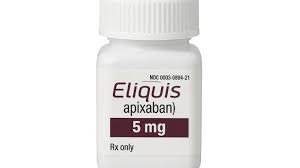
Eliquis

Unfractionated Heparin, UFH
Lovenox
TNKase.
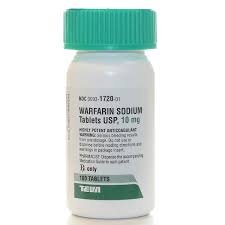
Coumadin
Explore various treatment options to empower yourself in making a well-informed choice.
Choose treatments from the menu above to see how they compare side by side.
Choose treatments from the menu above to see how they compare side by side.
Choose treatments from the menu above to see how they compare side by side.

Copyright © 2025,Curbside and related marks are registered trademarks of Curbside Tech Inc.