
Atrial Fibrillation
Atrial fibrillation is an irregular and often rapid heart rhythm caused by chaotic electrical signals in the atria, the upper chambers of the heart. Instead of contracting normally, the atria quiver, which can lead to poor blood flow and an increased risk of clots and stroke. Symptoms may include palpitations, fatigue, shortness of breath, or dizziness, though some people may have no symptoms. AFib can be occasional (paroxysmal), persistent, or permanent, and treatment focuses on controlling heart rate, restoring rhythm, and reducing stroke risk with blood thinners.
AI Summary of Treatment Experiences
Not medical advice.
# Atrial Fibrillation Treatment Summary Based on reviewer feedback, atrial fibrillation management combines rate control and stroke prevention strategies. **Apixaban** is favored as a first-line anticoagulant, offering effective stroke prevention with lower gastrointestinal bleeding rates compared to alternatives. For rate control, both **Metoprolol** and **Diltiazem** are commonly used—Metoprolol via IV or oral dosing for acute and chronic management, while Diltiazem is noted for reliable and quick heart rate reduction. **Synchronized Cardioversion** is reserved for unstable patients or those with medication-refractory heart rates, though anticoagulation status must be carefully considered beforehand to prevent embolic stroke.

Treatments Shared by the Community
Explore what patients, caregivers, and clinicians have said about these treatments.
4 Treatments for Atrial Fibrillation
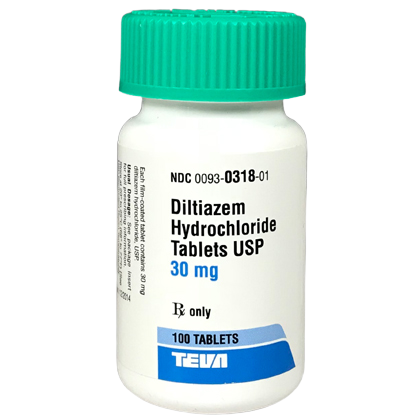
Cardizem Cardizem CD, Cardizem LA, Cartia XT, Tiazac, Dilacor XR
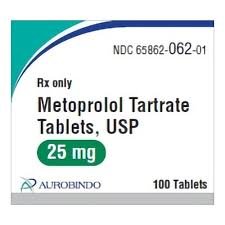
Lopressor
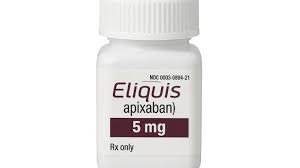
Eliquis

Explore various treatment options to empower yourself in making a well-informed choice.
Choose treatments from the menu above to see how they compare side by side.
Choose treatments from the menu above to see how they compare side by side.
Choose treatments from the menu above to see how they compare side by side.

Copyright © 2025,Curbside and related marks are registered trademarks of Curbside Tech Inc.