
Anxiety
Anxiety is a feeling of worry, nervousness, or fear that is often excessive or disproportionate to the actual situation. It can be a normal response to stress, but when persistent or overwhelming, it may interfere with daily life. Symptoms of anxiety can include physical signs like rapid heartbeat, sweating, restlessness, and gastrointestinal issues, as well as mental symptoms like constant worry, difficulty concentrating, or feeling on edge. Anxiety disorders include generalized anxiety disorder (GAD), panic disorder, social anxiety disorder, and specific phobias. Treatment may involve therapy (such as cognitive behavioral therapy), medication, lifestyle changes, or a combination of these.
AI Summary of Treatment Experiences
Not medical advice.
# Anxiety Treatment Summary Based on reviewer feedback, SSRIs—particularly **Sertraline, Escitalopram, and Fluoxetine**—are recommended as first-line medications, offering steady anxiety relief with manageable side effects over several weeks. **Cognitive Behavioral Therapy** is also rated as a first-line treatment, providing lasting benefits through practical skill-building over weeks to months. For faster relief, **Lorazepam** works almost immediately but carries addiction risks and is reserved for short-term use. **Buspirone** and **Pregabalin** offer alternatives for patients seeking to avoid sedation or dependence, though they work more gradually or have specific limitations like off-label use in the U.S. **Hydroxyzine** is noted as a non-addictive option for acute anxiety.

Treatments Shared by the Community
Explore what patients, caregivers, and clinicians have said about these treatments.
8 Treatments for Anxiety
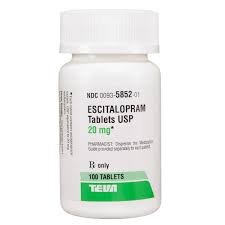
Lexapro
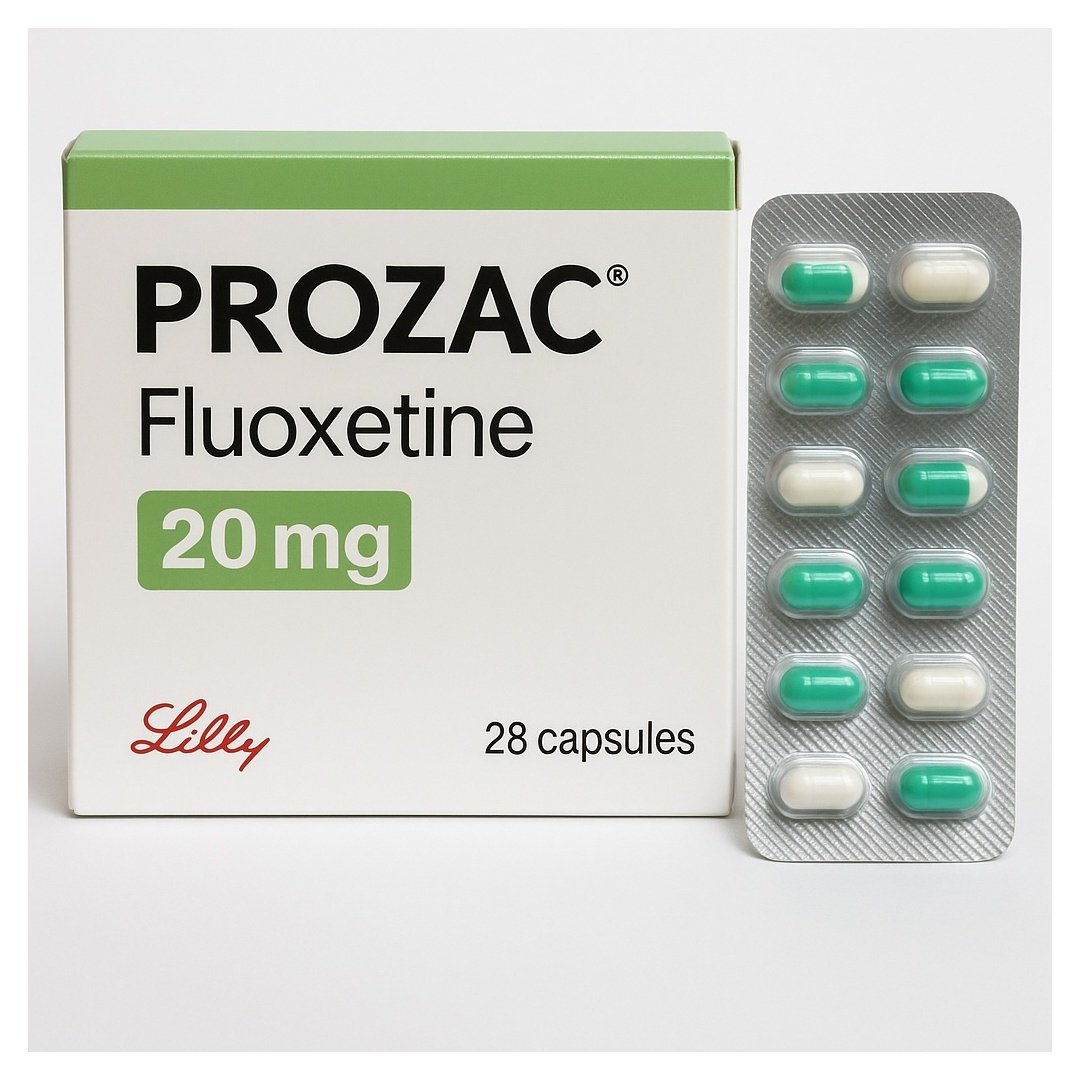
Prozac
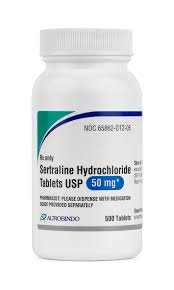
Zoloft

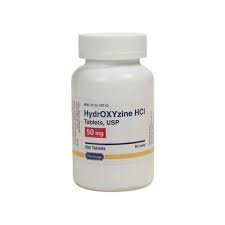
Vistaril, Atarax
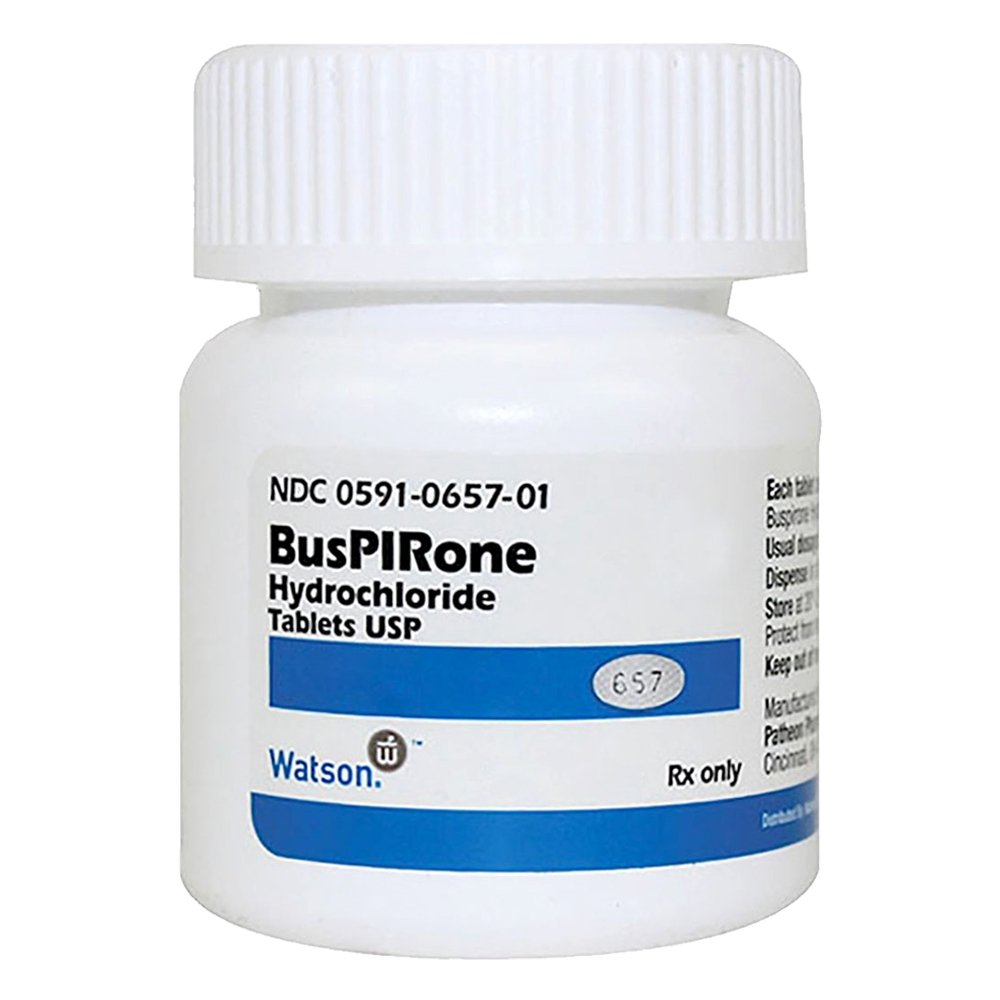
BuSpar
Ativan
Lyrica
Explore various treatment options to empower yourself in making a well-informed choice.
Choose treatments from the menu above to see how they compare side by side.
Choose treatments from the menu above to see how they compare side by side.
Choose treatments from the menu above to see how they compare side by side.

Copyright © 2025,Curbside and related marks are registered trademarks of Curbside Tech Inc.