
Preeclampsia
Preeclampsia is a pregnancy-related condition characterized by high blood pressure and signs of damage to organs, most commonly the liver and kidneys, usually occurring after 20 weeks of gestation. It can present with protein in the urine, swelling (especially in the hands and face), headaches, visual disturbances, and abdominal pain. While some women have only mild symptoms, severe cases can lead to serious complications for both mother and baby, including seizures (eclampsia), organ failure, or preterm birth. The exact cause is not fully understood but is thought to involve abnormal placental development and blood vessel dysfunction. Management includes close monitoring, blood pressure control, and delivery of the baby if the condition worsens.
AI Summary of Treatment Experiences
Not medical advice.
# Preeclampsia Treatment Summary Magnesium sulfate is the first-line treatment for seizure prevention in severe preeclampsia, significantly reducing progression to eclampsia. For blood pressure management, labetalol serves as the first-line agent, with hydralazine used as a second-line option when additional control is needed. Delivery is the only definitive treatment that resolves preeclampsia after placental removal, though the timing must balance maternal risks against neonatal prematurity concerns.

Treatments Shared by the Community
Explore what patients, caregivers, and clinicians have said about these treatments.
5 Treatments for Preeclampsia
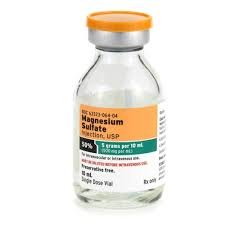

Explore various treatment options to empower yourself in making a well-informed choice.
Choose treatments from the menu above to see how they compare side by side.
Choose treatments from the menu above to see how they compare side by side.
Choose treatments from the menu above to see how they compare side by side.

Copyright © 2025,Curbside and related marks are registered trademarks of Curbside Tech Inc.