
Tinnitus
Ringing in the ears, Ear Ringing
Tinnitus is the perception of sound—such as ringing, buzzing, hissing, or whooshing—in the ears or head without an external source. It can be constant or intermittent and vary in pitch and intensity. Tinnitus is often a symptom of an underlying condition like hearing loss, ear injury, exposure to loud noise, or certain medications. While it’s usually not a sign of something serious, it can significantly affect quality of life by causing stress, sleep problems, or difficulty concentrating. Treatment focuses on managing symptoms and addressing any underlying causes.
AI Summary of Treatment Experiences
Not medical advice.
# Tinnitus Treatment Summary Cognitive Behavioral Therapy is the most strongly supported first-line treatment, with robust evidence for reducing tinnitus-related distress and improving quality of life. Sound generators show mixed results in promoting habituation and distress reduction when combined with counseling, though they don't reduce the sound itself. Sertraline may serve as an adjunct therapy to help patients whose symptoms worsen with anxiety or depression, rather than as a primary treatment. Overall, the reviewed treatments focus on improving tolerability and coping rather than eliminating the tinnitus sound.

Treatments Shared by the Community
Explore what patients, caregivers, and clinicians have said about these treatments.
4 Treatments for Tinnitus

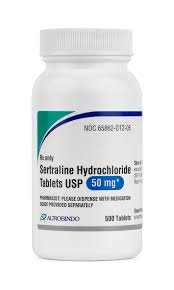
Explore various treatment options to empower yourself in making a well-informed choice.
Choose treatments from the menu above to see how they compare side by side.
Choose treatments from the menu above to see how they compare side by side.
Choose treatments from the menu above to see how they compare side by side.

Copyright © 2025,Curbside and related marks are registered trademarks of Curbside Tech Inc.