
Benzoyl peroxide
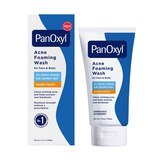
Benzoyl peroxide is a widely used topical treatment for mild to moderate bacterial folliculitis, particularly when caused by Staphylococcus aureus. It works by killing bacteria on the skin, reducing inflammation, and helping to keep hair follicles clear. This makes it especially useful for acne-like folliculitis on the chest, back, or face. It is available over-the-counter in concentrations ranging from 2.5% to 10% and can be found in washes, gels, and creams. While generally well tolerated, it can cause skin dryness, peeling, or irritation, especially when used too frequently or on sensitive skin. It’s also important to note that benzoyl peroxide is not effective against fungal folliculitis, which requires antifungal treatments instead.
Treatment Type: Over the Counter Medication
Treatment Class: N/A
Treatment Modality: Topical
Review Summary
Based on the review by Dr. Curbside, Benzoyl peroxide appears to be a highly effective first-line topical treatment for mild bacterial folliculitis, particularly when caused by Staphylococcus aureus. Its broad antibacterial properties and low risk of bacterial resistance make it a valuable initial therapy, either used alone or in combination with other antibiotics for more persistent cases.

This summary was generated by users' reviews
Breakdown by Category
Each categories are rated on a 1–5 scale, with 5 being the most favorable outcome and 1 being the least. These scores are averaged across all user reviews to provide a clear sense of how this treatment typically performs in each area.
 Cost
Cost Relief Speed
 Side Effects
 Treatment Line
Explore various treatment options to empower yourself in making a well-informed choice.
Choose treatments from the menu above to see how they compare side by side.
Choose treatments from the menu above to see how they compare side by side.
Choose treatments from the menu above to see how they compare side by side.
5.0
AI Summary of User Experiences
Not medical advice.
Based on the review by Dr. Curbside, Benzoyl peroxide appears to be a highly effective first-line topical treatment for mild bacterial folliculitis, particularly when caused by Staphylococcus aureus. Its broad antibacterial properties and low risk of bacterial resistance make it a valuable initial therapy, either used alone or in combination with other antibiotics for more persistent cases.
Cost Relief Speed Side Effect Treatment Line


Copyright © 2025,Curbside and related marks are registered trademarks of Curbside Tech Inc.
Reviews
Filter by reviewer type Pro