
Diabetes, Type 2
Type 2 diabetes is a chronic condition where the body either resists the effects of insulin or doesn’t produce enough insulin to maintain normal blood sugar levels. It often develops in adults but is increasingly seen in children due to rising obesity rates. Common symptoms include increased thirst, frequent urination, fatigue, and slow-healing wounds. Risk factors include genetics, excess weight, sedentary lifestyle, and poor diet.
Managing type 2 diabetes typically involves lifestyle changes like diet and exercise, along with medications or insulin therapy if needed. If left untreated, it can lead to serious complications such as heart disease, kidney failure, and nerve damage.
AI Summary of Treatment Experiences
Not medical advice.
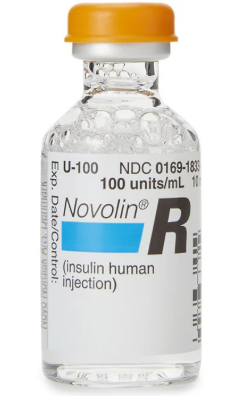
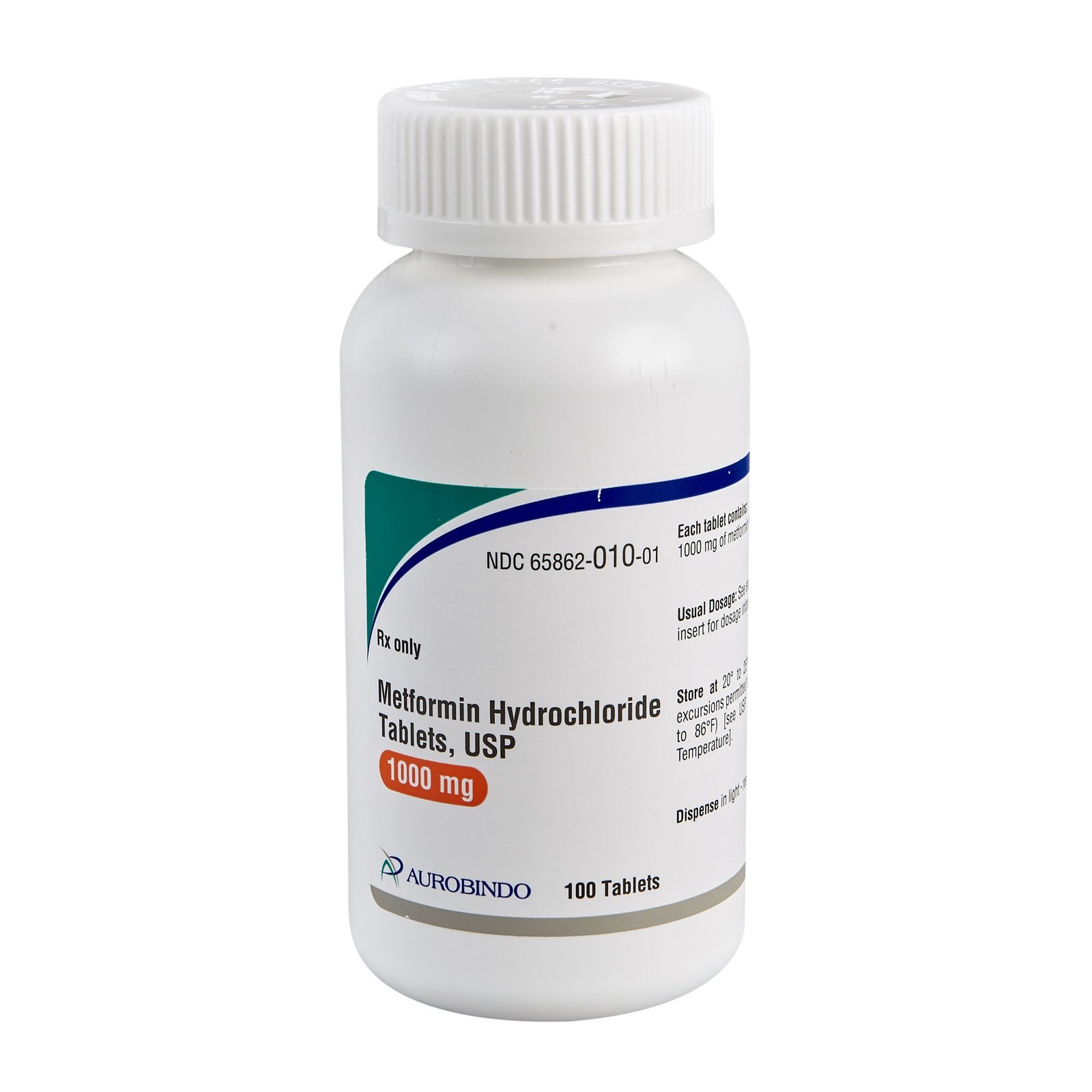
# Type 2 Diabetes Treatment Summary Type 2 diabetes treatment typically begins with weight loss and metformin, an affordable first-line medication that effectively lowers blood sugar with minimal hypoglycemia risk. GLP-1 receptor agonists like semaglutide and dulaglutide offer additional benefits including weight loss and cardiovascular protection, with semaglutide providing the most substantial weight reduction but causing notable gastrointestinal side effects. Liraglutide is a viable alternative requiring daily injections with modest weight loss benefits. When oral medications and other treatments fail to control blood sugar adequately, insulin therapy (Novolin R) becomes necessary, though it requires more intensive monitoring and patient management.

Treatments Shared by the Community
Explore what patients, caregivers, and clinicians have said about these treatments.
6 Treatments for Diabetes, Type 2

Ozempic, Wegovy

Trulicity

Victoza, Saxenda
Explore various treatment options to empower yourself in making a well-informed choice.
Choose treatments from the menu above to see how they compare side by side.
Choose treatments from the menu above to see how they compare side by side.
Choose treatments from the menu above to see how they compare side by side.

Copyright © 2025,Curbside and related marks are registered trademarks of Curbside Tech Inc.