
Kidney Stone
A kidney stone is a hard deposit made of minerals and salts that forms inside the kidneys when urine becomes concentrated. These stones can vary in size and may cause severe pain, especially if they move into the ureter. Common symptoms include sharp back or side pain, blood in the urine, and nausea. Most small stones pass on their own, but larger ones may require medical procedures like shock wave therapy or surgery. Kidney stones are typically made of calcium, but can also be formed from uric acid, struvite, or cystine.
AI Summary of Treatment Experiences
Not medical advice.
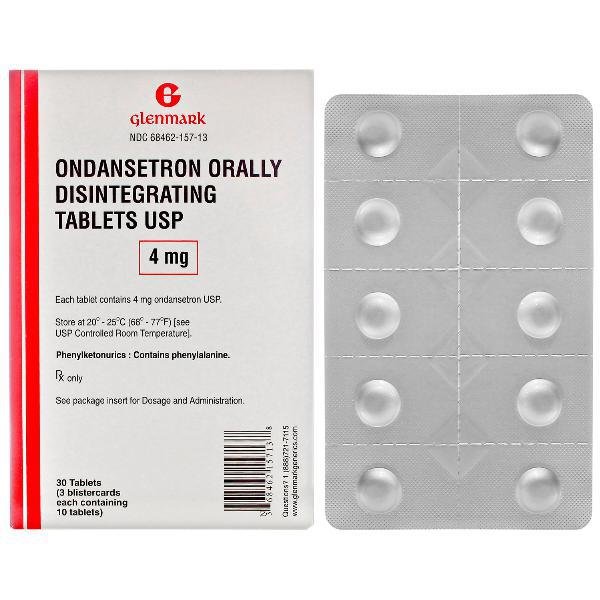
# Treatment Summary for Kidney Stone Based on reviewer feedback, kidney stone management combines symptom relief and stone passage/removal strategies. **Ibuprofen and Ondansetron** are first-line treatments rated highly for managing pain and nausea respectively, with Ondansetron's dissolvable form noted as particularly convenient during acute episodes. For stone passage, **Tamsulosin** helps relax the ureter to facilitate passage of larger stones, while **adequate fluid intake** supports natural stone elimination. When stones don't pass naturally, **Ureteroscopy** is a commonly used minimally invasive option allowing direct visualization and laser fragmentation, though post-procedure stents can be uncomfortable. **Urine straining** is emphasized as essential for confirming stone passage and enabling stone analysis to prevent recurrence.
Treatments Shared by the Community
Explore what patients, caregivers, and clinicians have said about these treatments.
8 Treatments for Kidney Stone


Motrin
Zofran
URS
Flomax
Explore various treatment options to empower yourself in making a well-informed choice.
Choose treatments from the menu above to see how they compare side by side.
Choose treatments from the menu above to see how they compare side by side.
Choose treatments from the menu above to see how they compare side by side.

Copyright © 2025,Curbside and related marks are registered trademarks of Curbside Tech Inc.