
Groin Strain
Adductor strain
Groin strain occurs when the adductor muscles in the inner thigh are stretched or torn. This type of injury is common in sports that involve sudden movements, rapid changes in direction, or high-impact activities, such as soccer, hockey, basketball, and sprinting.
Grades of Strain:
Grade 1 (Mild): Slight discomfort with minimal function loss.
Grade 2 (Moderate): Noticeable pain, swelling, reduced strength, and difficulty walking.
Grade 3 (Severe): Significant pain, muscle tear, severe swelling, bruising, and possible loss of movement.
AI Summary of Treatment Experiences
Not medical advice.
Treatment for groin strain typically involves a combination of rest, ice, compression, and elevation (RICE treatment) to reduce inflammation and pain in the affected area. Nonsteroidal anti-inflammatory drugs (NSAIDs) such as ibuprofen are often recommended to help manage pain and inflammation. Physical therapy is an essential component of the recovery process, focusing on strengthening exercises to support the injured muscles and prevent future strains. With proper treatment and rehabilitation, most individuals can recover from a groin strain and return to their normal activities.

Treatments Shared by the Community
Explore what patients, caregivers, and clinicians have said about these treatments.
3 Treatments for Groin Strain
Rest, Ice, Compression, Elevation
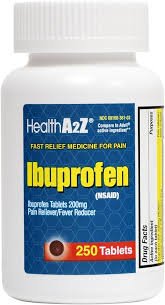
Motrin
Explore various treatment options to empower yourself in making a well-informed choice.
Choose treatments from the menu above to see how they compare side by side.
Choose treatments from the menu above to see how they compare side by side.
Choose treatments from the menu above to see how they compare side by side.

Copyright © 2025,Curbside and related marks are registered trademarks of Curbside Tech Inc.