
Allergic Rhinitis
Hay fever, Seasonal Allergies
Allergic rhinitis (AR), also called hay fever, is a condition that causes a stuffy or runny nose, sneezing, and itching due to an allergic reaction. It happens when tiny particles in the air—like pollen, pet dander, or dust mites—trigger the body’s immune system to overreact. When allergens enter the nose, the body’s defense system mistakenly sees them as harmful. This leads to the release of chemicals like histamine, which cause inflammation and allergy symptoms.
Treatment includes antihistamines, nasal corticosteroids, decongestants, and allergen avoidance. In some cases, immunotherapy (allergy shots or tablets) may help reduce sensitivity over time.
AI Summary of Treatment Experiences
Not medical advice.
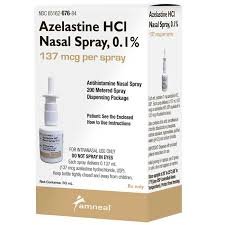
# Allergic Rhinitis Treatment Summary Based on reviewer feedback, antihistamines like Cetirizine and Loratadine are recommended as first-line treatments, offering effective symptom relief with minimal drowsiness and convenient once-daily dosing. Fluticasone Propionate nasal spray is highly rated for reducing congestion and sneezing with minimal side effects. Azelastine nasal spray provides fast relief for moderate to severe cases and works well as add-on therapy, though palatability is a concern. Montelukast serves as a second-line option but requires caution due to potential neuropsychiatric side effects, particularly in children.

Treatments Shared by the Community
Explore what patients, caregivers, and clinicians have said about these treatments.
6 Treatments for Allergic Rhinitis
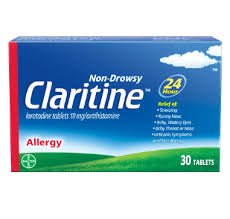
Claritin
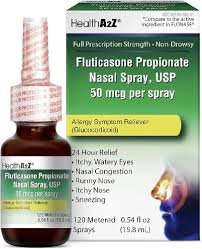
Flonase
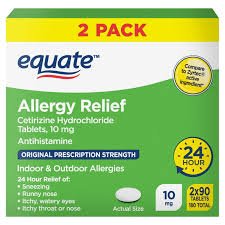
Zyrtec
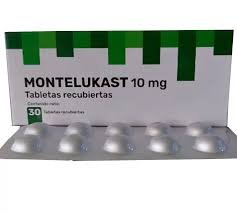
Singulair
Astepro

Explore various treatment options to empower yourself in making a well-informed choice.
Choose treatments from the menu above to see how they compare side by side.
Choose treatments from the menu above to see how they compare side by side.
Choose treatments from the menu above to see how they compare side by side.

Copyright © 2025,Curbside and related marks are registered trademarks of Curbside Tech Inc.