
Levofloxacin
Alternative Names: Levaquin
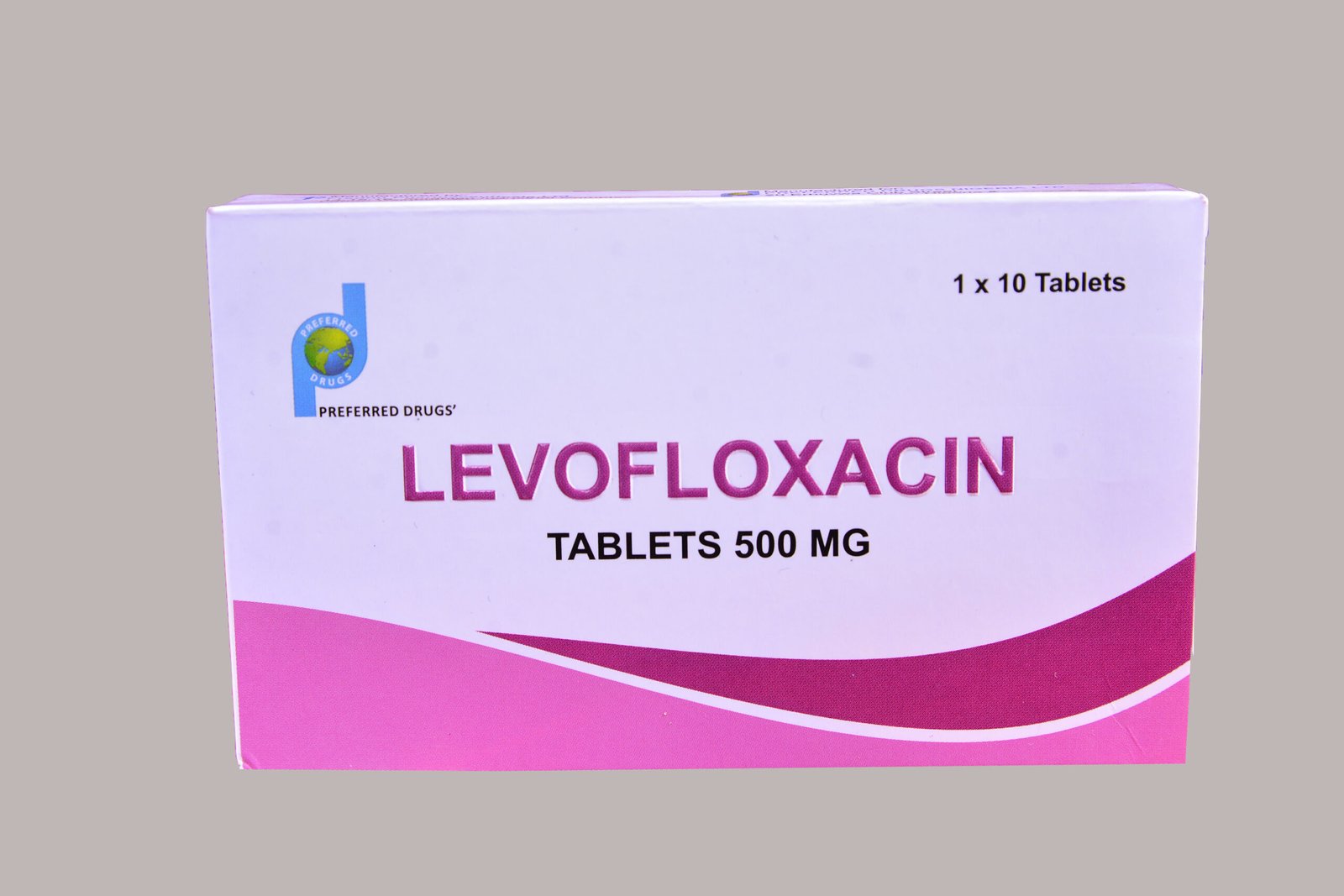
Levofloxacin is a fluoroquinolone antibiotic sometimes used for acute bacterial sinusitis, typically as a second-line option when first-line therapies are ineffective or not tolerated. It has broad coverage against common sinus pathogens, including Streptococcus pneumoniae, Haemophilus influenzae, and Moraxella catarrhalis, as well as some resistant organisms. It is usually taken orally once daily for a short course (5–7 days).
Because of its risk profile, levofloxacin is generally reserved for more severe infections or patients with beta-lactam allergy. Potential adverse effects include tendinitis and tendon rupture, QT prolongation, CNS effects (such as dizziness or confusion), peripheral neuropathy, and increased risk of C. difficile infection. Due to these risks, guidelines recommend using levofloxacin only when the benefits clearly outweigh the risks.
usion.
Treatment Type: Prescription Medication
Treatment Class: Fluoroquinolones
Treatment Modality: Intravenous (IV), Oral
Review Summary
Based on the single review provided, Levofloxacin (Levaquin) is considered a potent antibiotic for treating acute bacterial sinusitis, particularly in severe or complicated cases. However, due to the risk of serious side effects, it should be used cautiously and only when necessary, such as when patients cannot tolerate or have failed first-line treatments.

This summary was generated by users' reviews
Breakdown by Category
Each categories are rated on a 1–5 scale, with 5 being the most favorable outcome and 1 being the least. These scores are averaged across all user reviews to provide a clear sense of how this treatment typically performs in each area.
 Cost
Cost Relief Speed
 Side Effects
 Treatment Line
Explore various treatment options to empower yourself in making a well-informed choice.
Choose treatments from the menu above to see how they compare side by side.
Choose treatments from the menu above to see how they compare side by side.
Choose treatments from the menu above to see how they compare side by side.
4.0
AI Summary of User Experiences
Not medical advice.
Based on the single review provided, Levofloxacin (Levaquin) is considered a potent antibiotic for treating acute bacterial sinusitis, particularly in severe or complicated cases. However, due to the risk of serious side effects, it should be used cautiously and only when necessary, such as when patients cannot tolerate or have failed first-line treatments.
Cost Relief Speed Side Effect Treatment Line


Copyright © 2025,Curbside and related marks are registered trademarks of Curbside Tech Inc.
Reviews
Filter by reviewer type Pro